My Life in Cameras
I find I develop strong associations between periods of my life with music, tastes, objects, and other things. Every time I listen to Joanna Newsom’s Emily, I can feel sitting in my room in halls, solving single maths 1A problems, eating floral gums. Here are most of the cameras I’ve owned, when I used them, and how I feel about them.
Fujifilm Finepix S 5600: ~2006–2007⌗
The first camera I owned was a fixed lens bridge camera. I have forgotten a lot about the camera. I’m not quite sure when, where, or how I got it. A birthday present perhaps. I was Presumably studying for GCSEs at the time.
It was a gateway. I remember wanting something “more serious”, with manual controls. I refused to use anything other than aperture priority or manual out of principal, despite the lack of command dials. No pictures I took with this camera remain.
In hindsight, the S 5600 seems to be a well regarded camera for its class. Whether it was due to good research or luck, it seems I made a good choice.
Nikon D70: 2007–2009⌗
I quickly graduated to my first DSLR, which I paired with the sharp, fast, and cheap AF 50mm f/1.8D. Both second hand.
SLRs are versatile and there was a large jump in control over the S 5600. TTL metering and composition was precise. The camera felt quality, serious, not like a toy.
I imagined myself working in portraiture and/or photojournalism. Later I bought a second hand AF 80–200mm f/2.8D ED, which was the poor man’s 70–200mm f/2.8, to suit those styles.
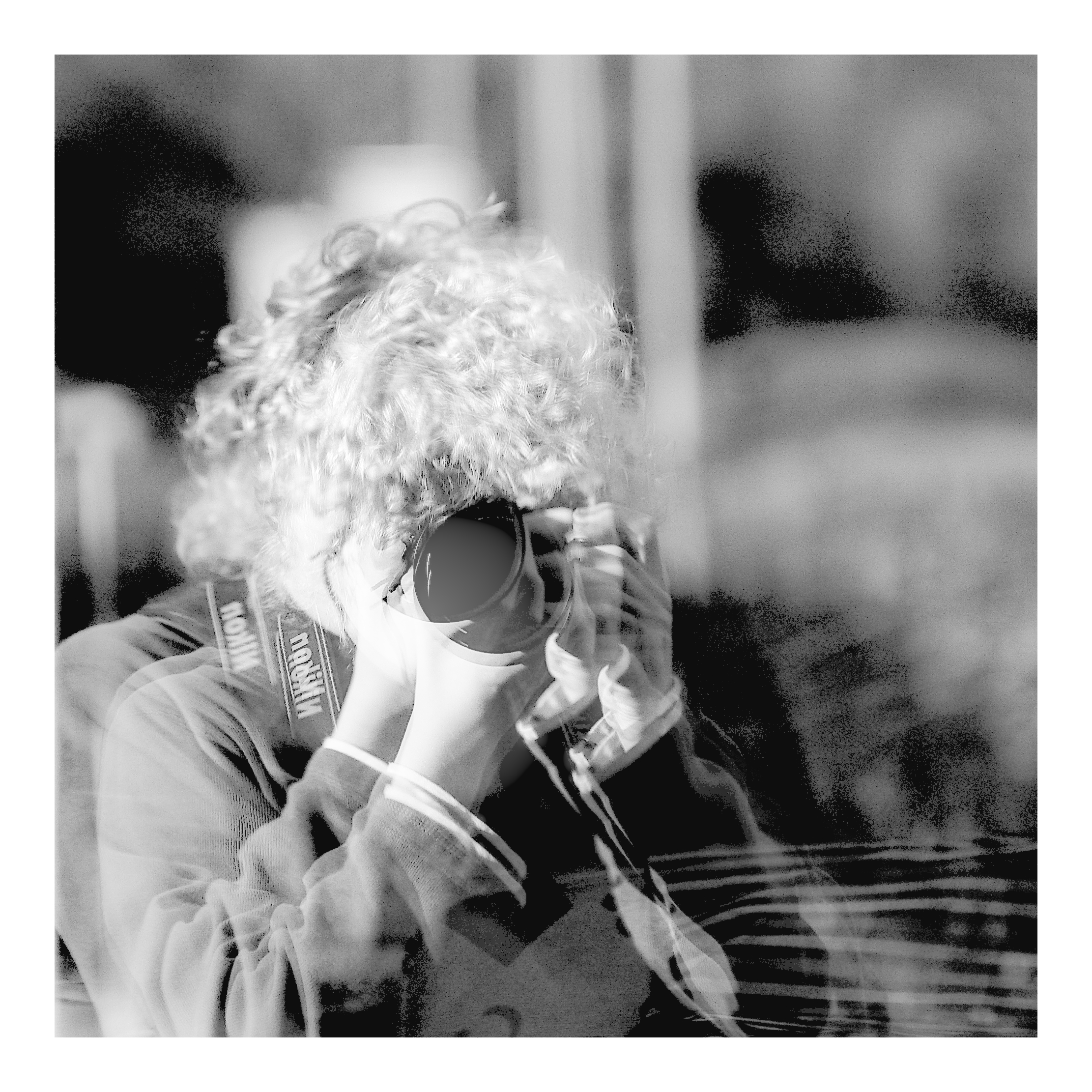
I must have just finished GCSEs when I got this camera and was preparing to start A-levels. I was in, what at the time I thought was, my first serious relationship.
My D70 stayed with me throughout most of A-levels and applying to universities. That was a strange time. A lot of your self-worth is based on if you get an offer and, if you do, which university it is from. I didn’t get a place at Oxford, which was upsetting at the time.
Later, I learned that I applied to a very popular college, which wouldn’t have helped. I remember at interview I was asked, about the aromatic ring in benzene, “where do the electrons come from?”. I thought it was a stupid question, “Where do the elections come from? The big bang, where does any elementary particle come from?”. Afterwards, I thought I had been stupid and ruined my chances, the answer was obviously “carbon 2p orbitals”. Now, I think I was right, it was a stupid question, or at least badly worded.
D200: 2009–2012⌗
Getting evermore serious, it was time for another upgrade. Not a consumer DSLR, but a professional DSLR (albeit what the professionals used as a backup).
The D200 felt and looked the part. The build quality was obviously better. The camera was laid out for a competent photographer, quick access to ISO, white balance, auto focus area, drive modes.
I would now have been in the final push for A-levels. There would be some more university interviews and open days. I would have offers; known what grades I needed to get my place.
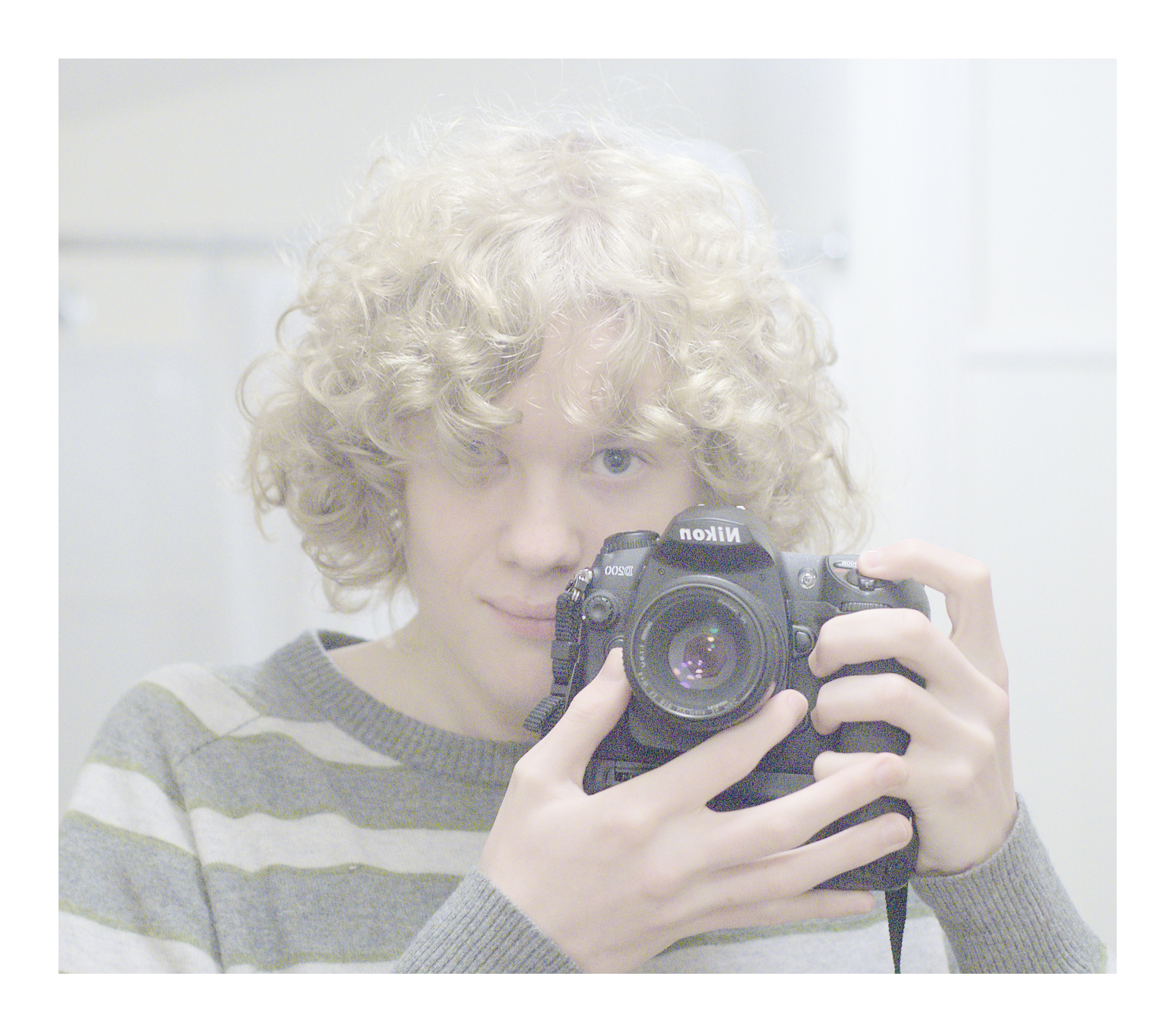
I found I didn’t have much need for zoom and I liked primes for speed and sharpness. I traded my 80–200 mm for an AF 35mm f/2D and AF 85mm f/1.8D. That would give me a nice range of focal lengths for general photography and portraits on a cropped sensor.
It was a summer of preparation for university. Buying essentials: books, stationary, luggage, bedding, towels, dinner jacket, black tie.
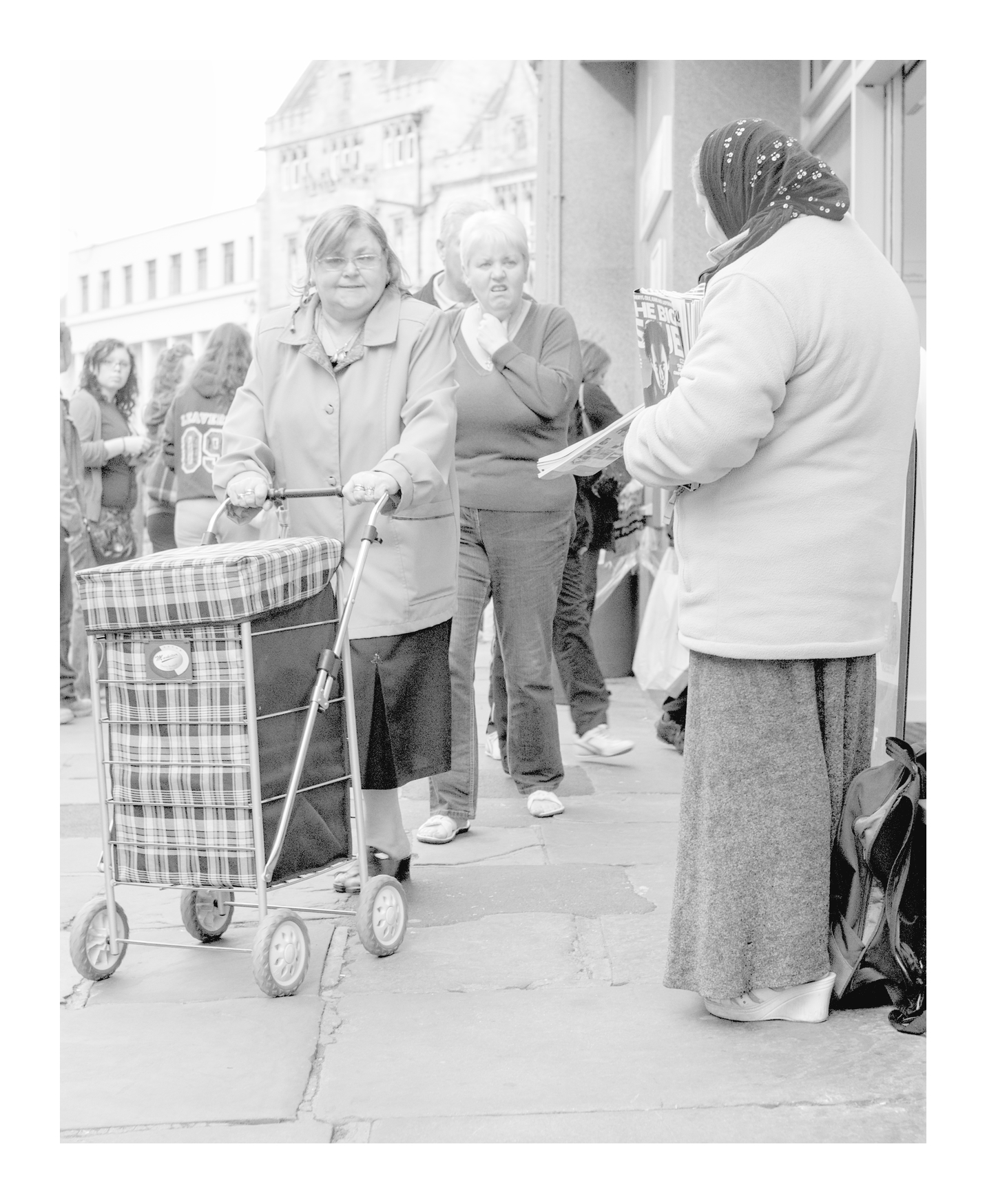
My camera gear, of course, followed me to university. It was strange being away from home. I remember a feeling like I had left people behind as if it were disloyal or a betrayal.
I was making some good friends but didn’t exactly fit in. I felt conflicted between trying to be happy and confident in myself and worrying about being strange or different. I have never quite figured that out.
Voigtländer Bessa R: 2010–2011⌗
Maybe I’m not one for posed or studio portraits. I was never that interested in creating the scene and wasn’t entirely comfortable posing or directing people.
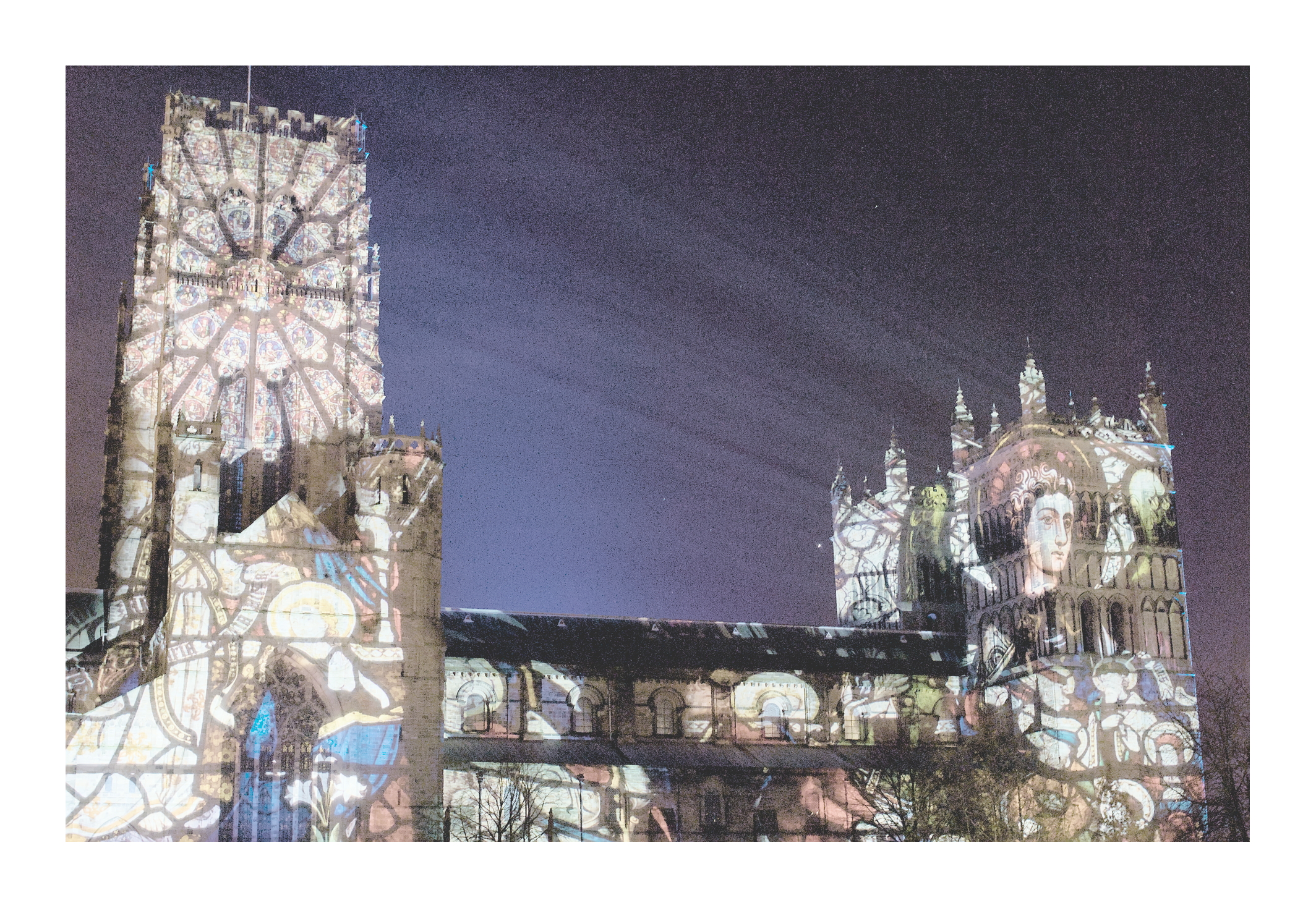
I admired street photography, and saw people talking about rangefinders in an almost religious way. In my first year of my undergraduate degree, I dipped my toes in the water buying a second hand Voigtländer Bessa R and Color-Skopar 35mm f/2.5 (screw mount).
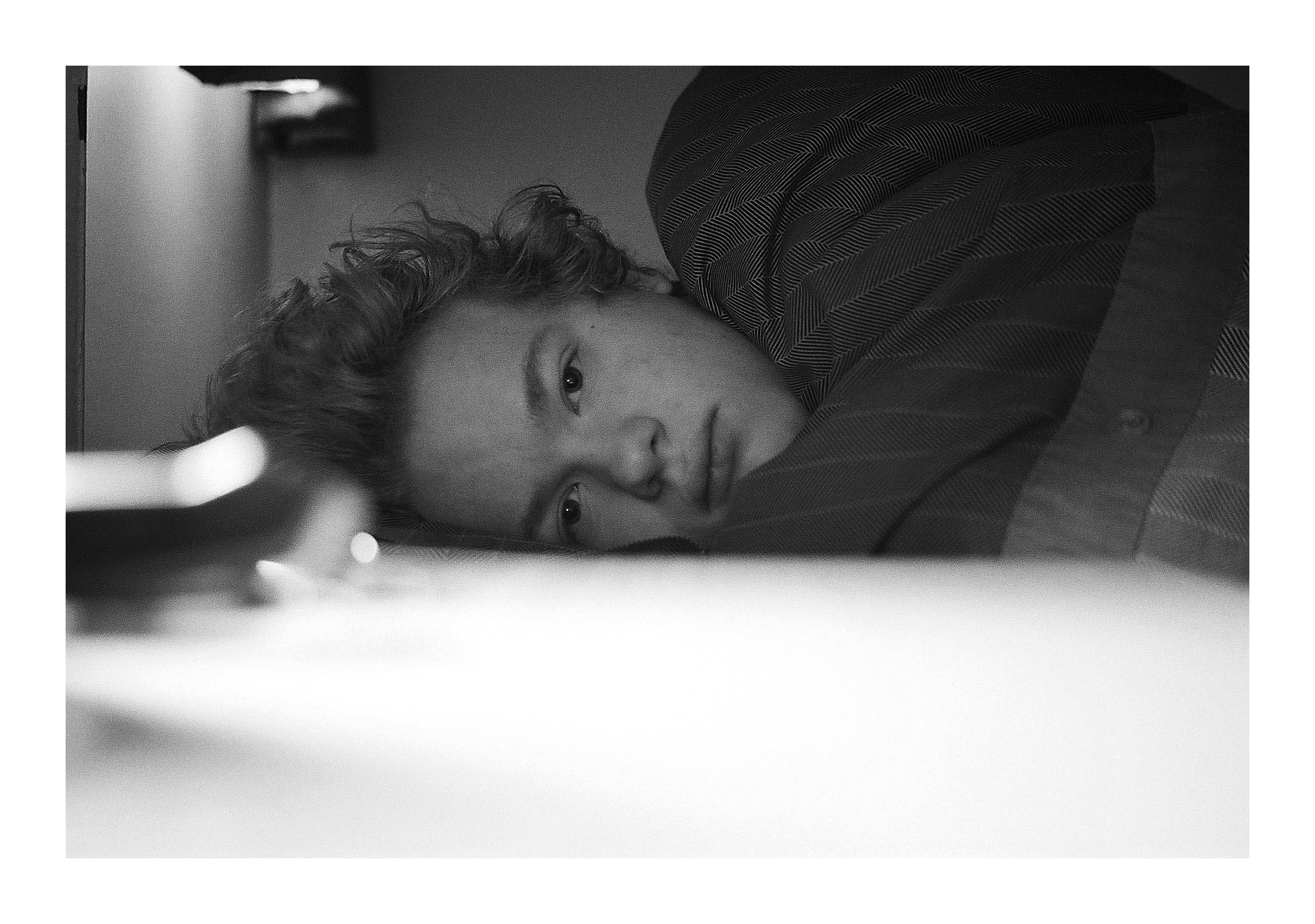
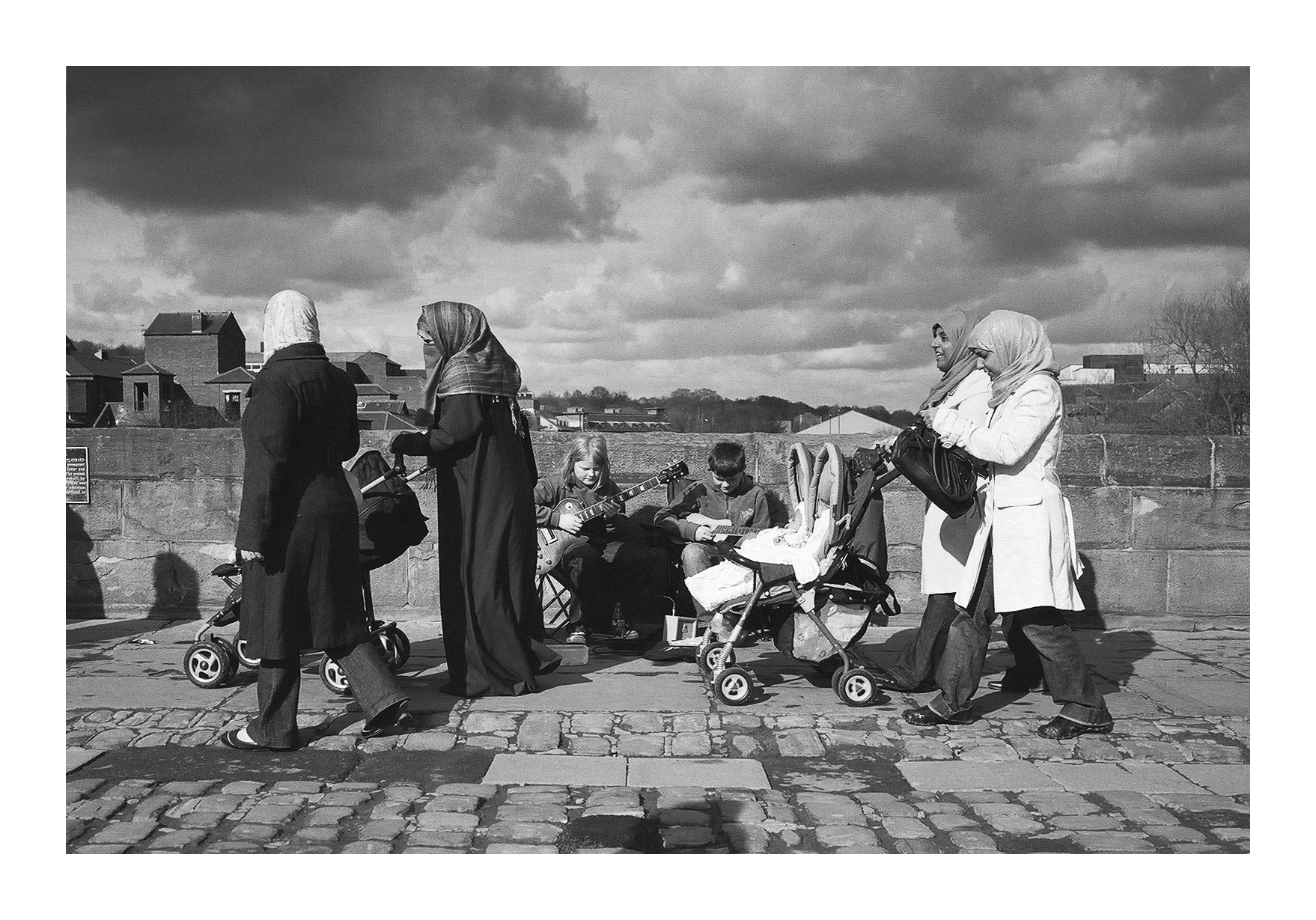
I really enjoyed shooting with the camera. Maybe the first time I learned having a camera you like using is more important than having the “best” camera. Before, I was most concerned with what the camera could do, and DSLRs can do more or less everything. A rangefinder is in a lot of ways a more restrictive camera. However, it is the best at the things it can do.
You immediately notice how bright the viewfinder is. You can see beyond the frame to help compose and anticipate your shots. I was light, fast and quiet.
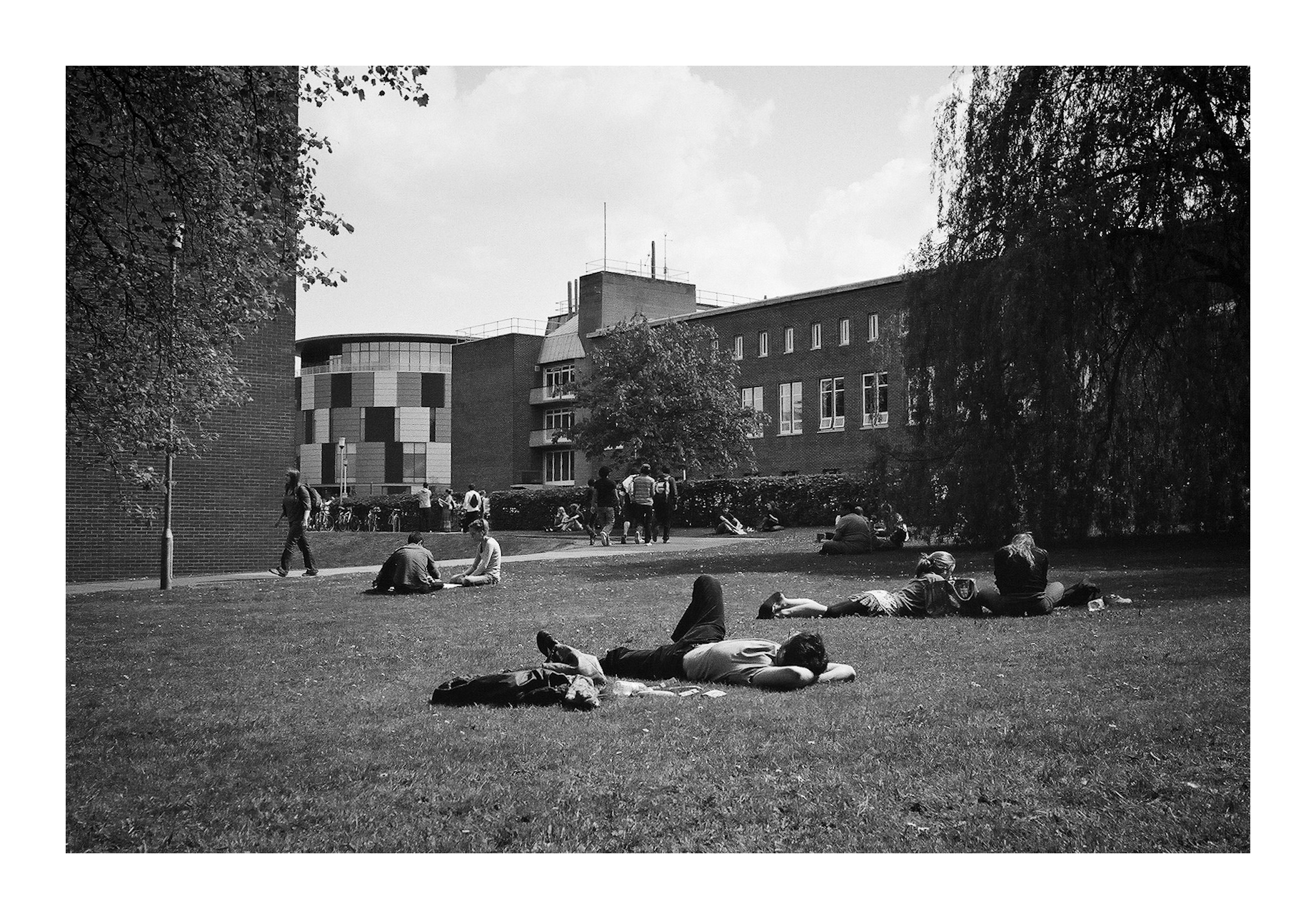
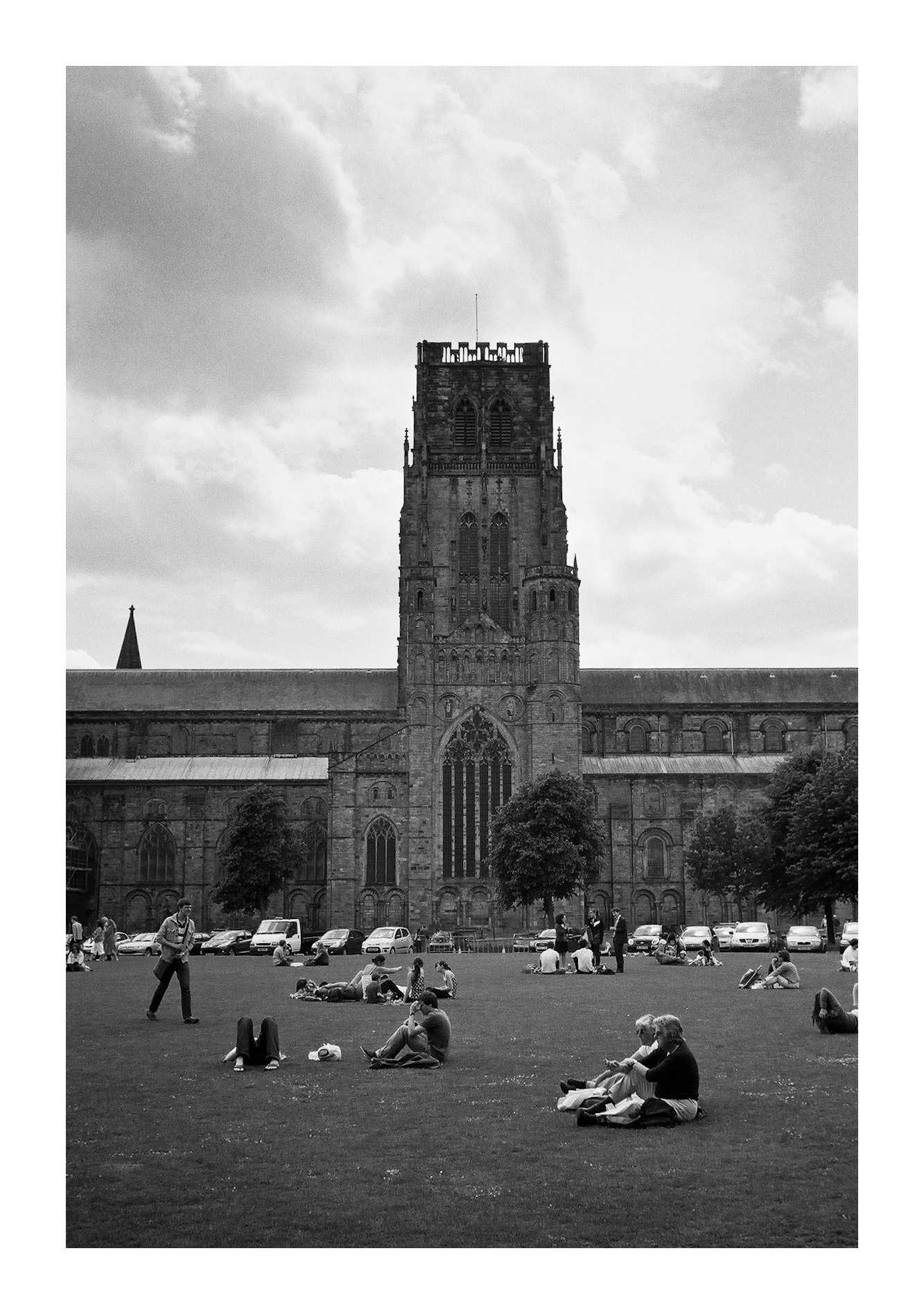
Also at this time, I started using Linux. A computational chemistry course made use of Linux and other free software. The way I viewed computers and software changed forever.
I started, what at the time I thought was, my first serious relationship.
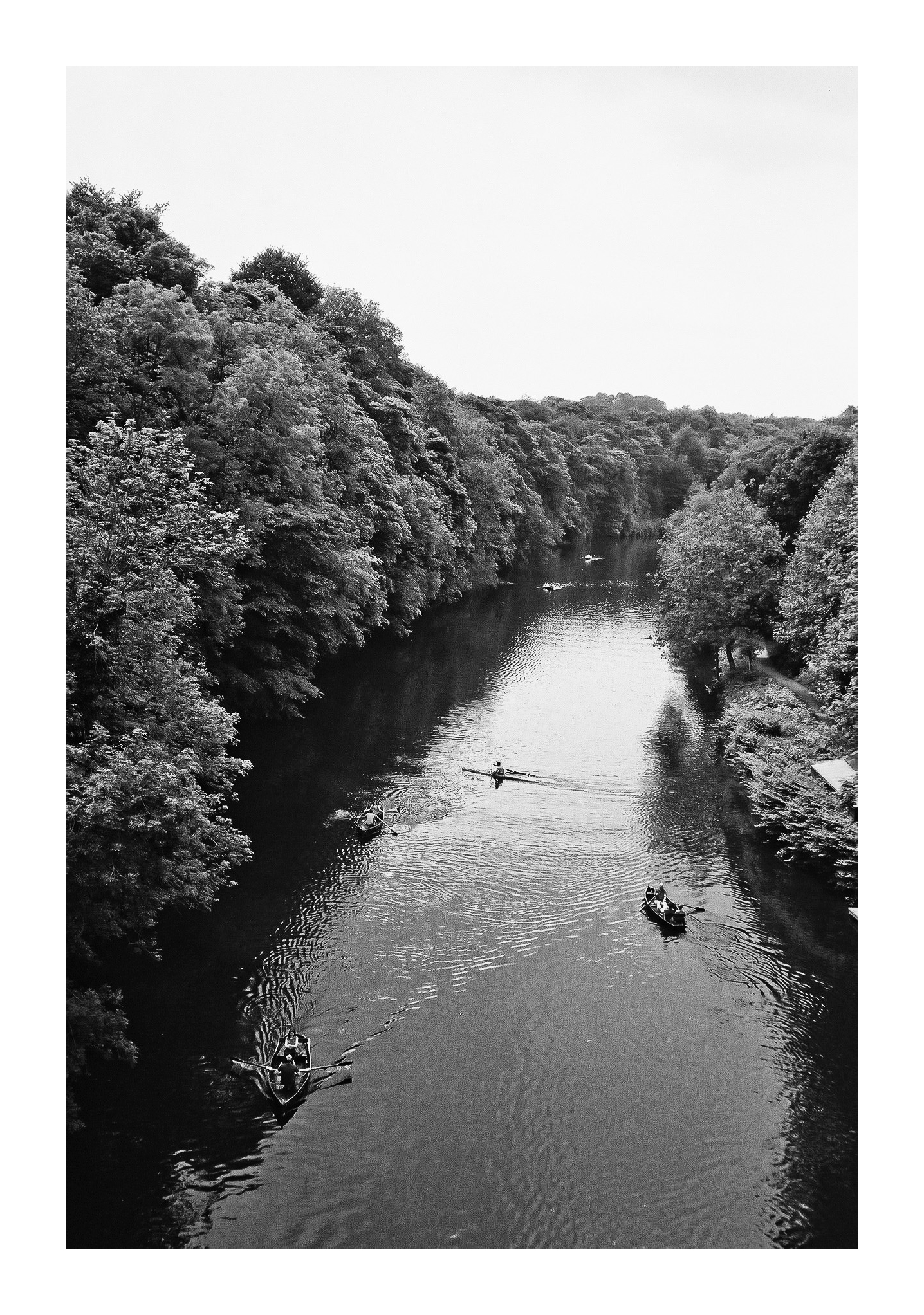
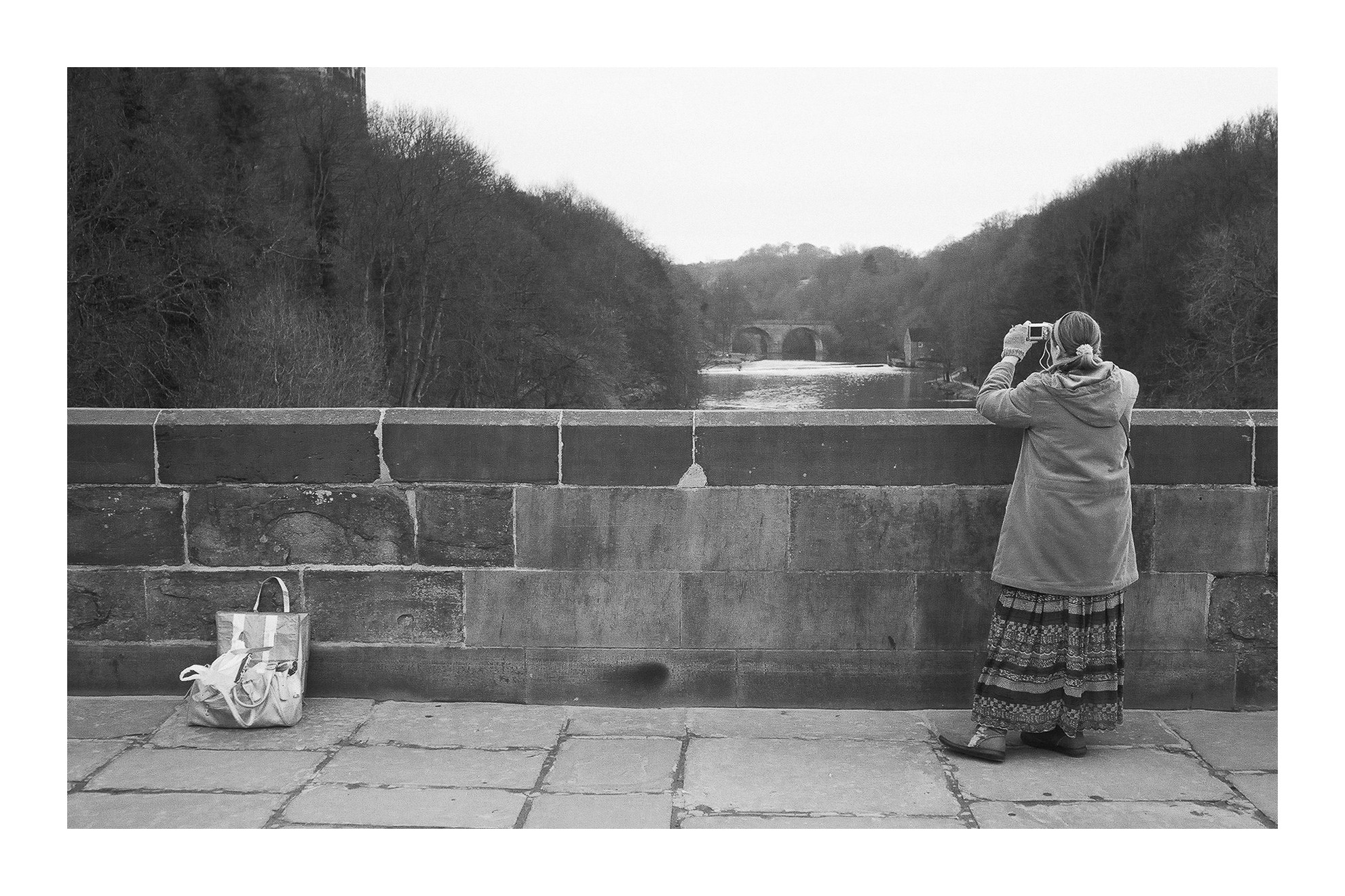
Street photography is, for me, a solitary activity. It is slow and contemplative. Sometimes you don’t shoot at all, most times you don’t shoot anything good. If nothing else, at least you get a nice walk.
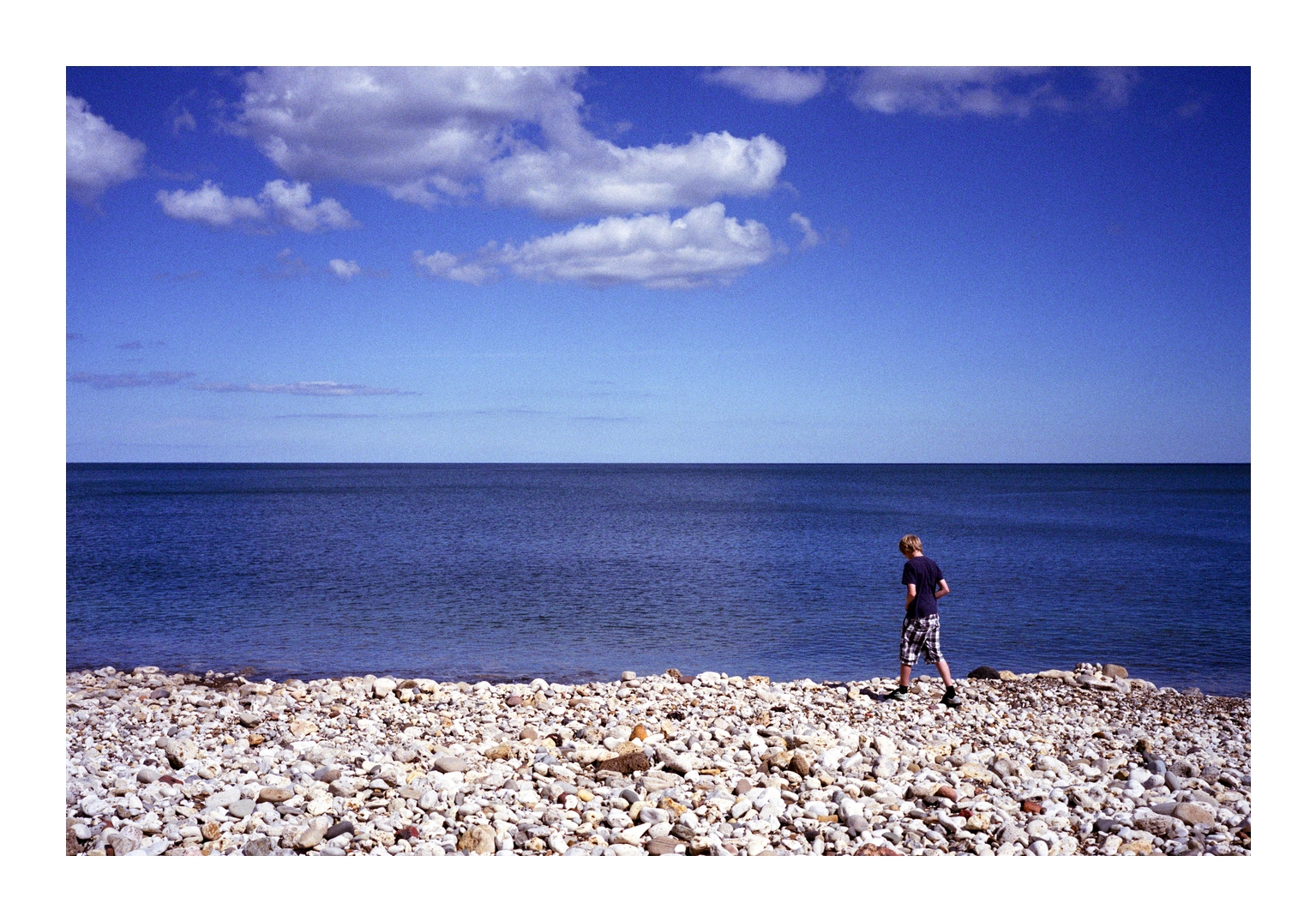
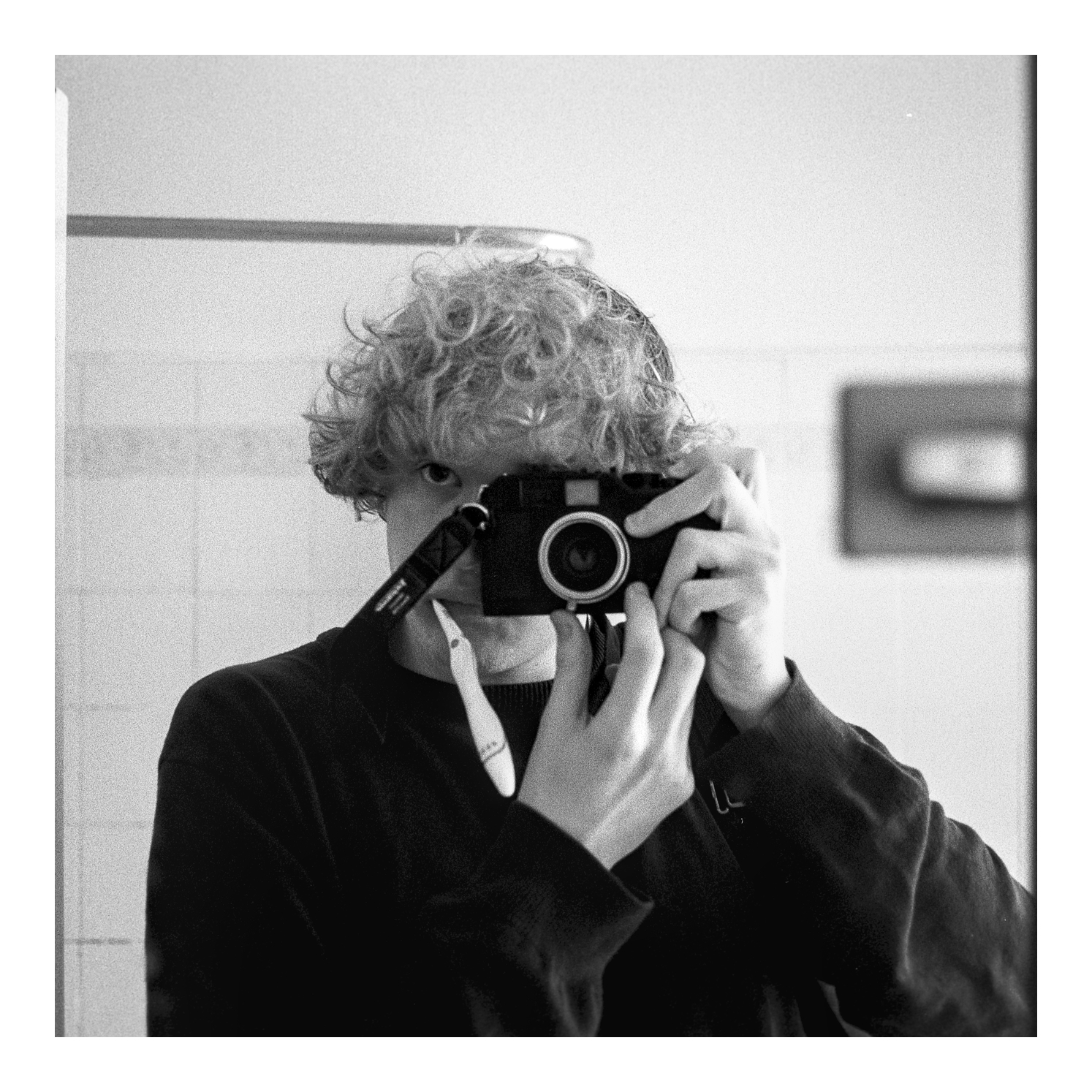
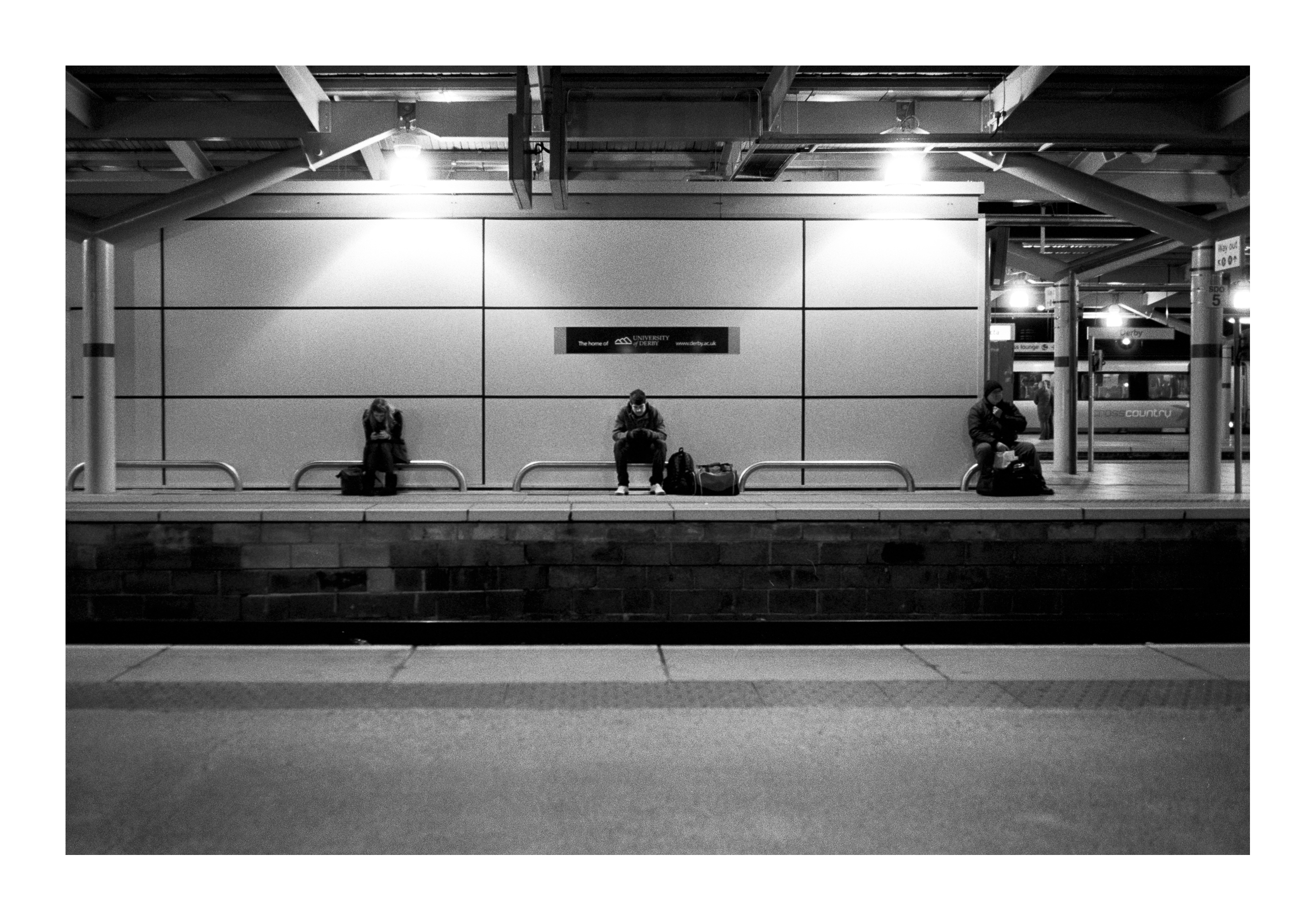
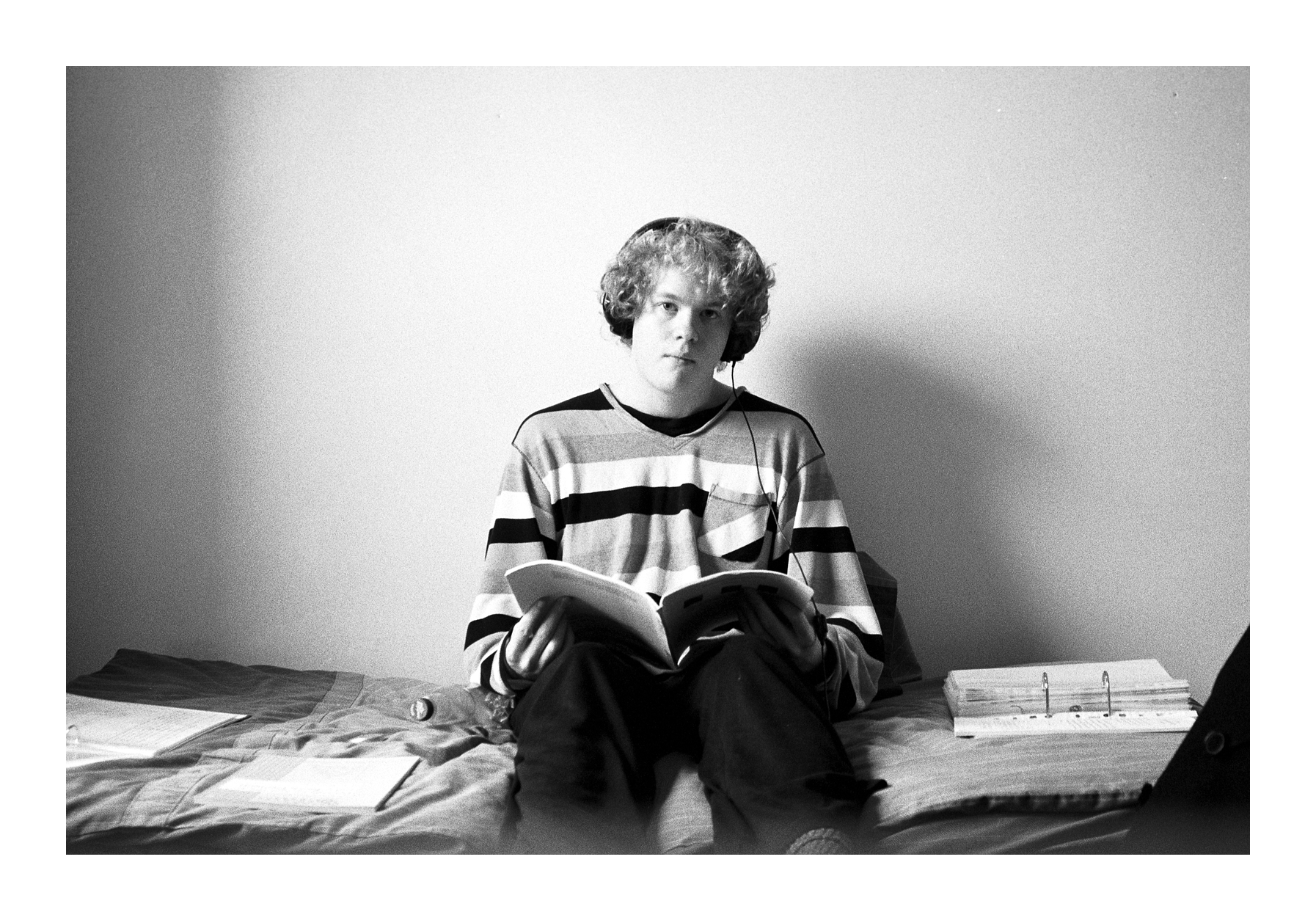
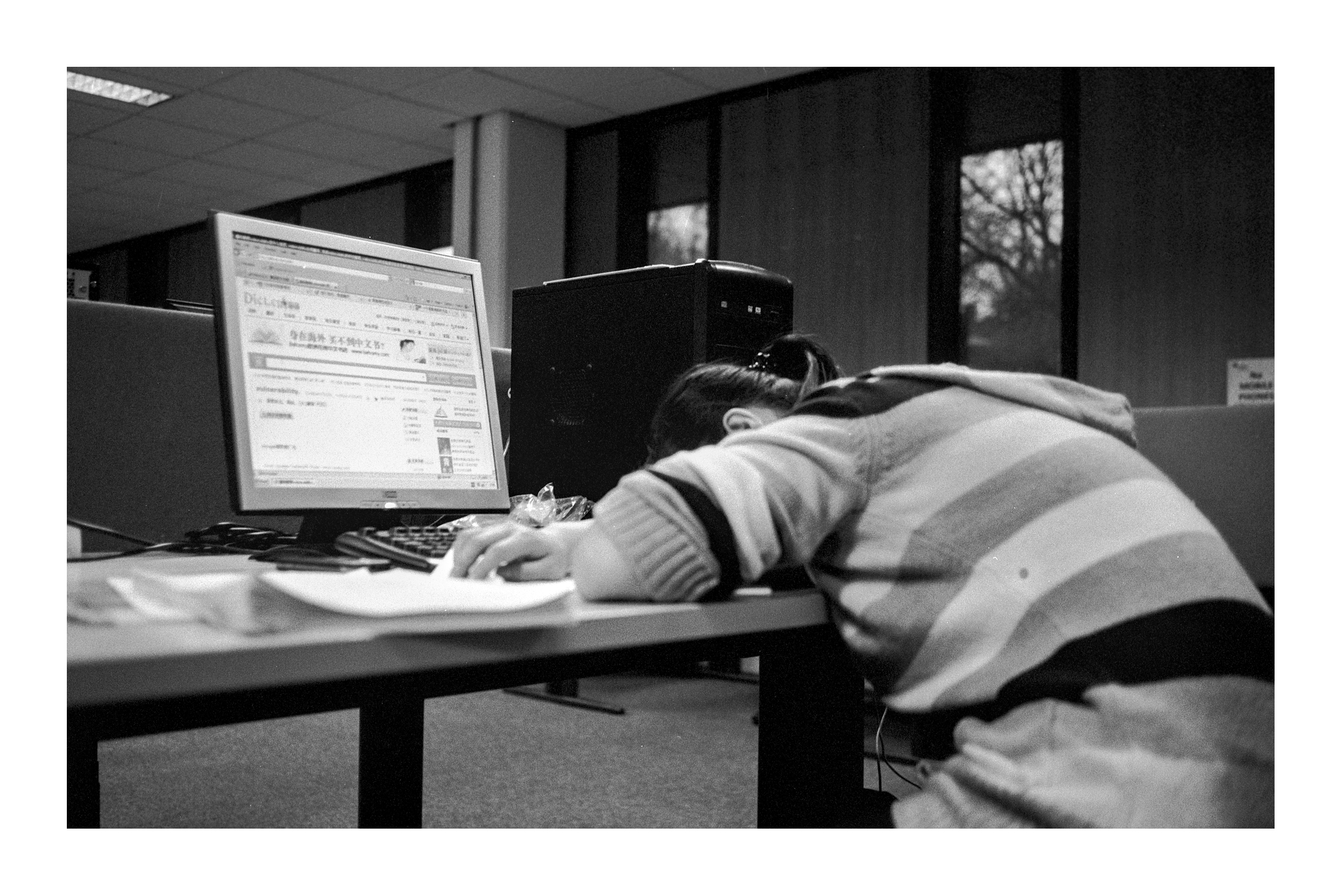
I got quite good at manual shooting. The Bessa’s exposure meter wasn’t particularly good, so I bought an incident light meter. Eventually, I became quite good at guessing EV. I could guess distances 3–10m accurate enough to pre-focus reliably. Stopped down sufficiently, this lets you shoot from the hip with no need to check focus. It was all a lot quicker and more discreet than metering and focusing with a large SLR stuck to your face.
Zeiss Ikon ZM: 2011–2013⌗
I wasn’t using the D200 much, having become so fond of shooting with a rangefinder. I sold the D200 and lenses and added that to my bursary from my 2011 Nuffield summer research placement to be able to afford a Zeiss Ikon ZM. I kept the 35mm f/2.5 and bought an M bayonet adapter so I could mount it on the new camera. I believe it was the first camera I bought new.
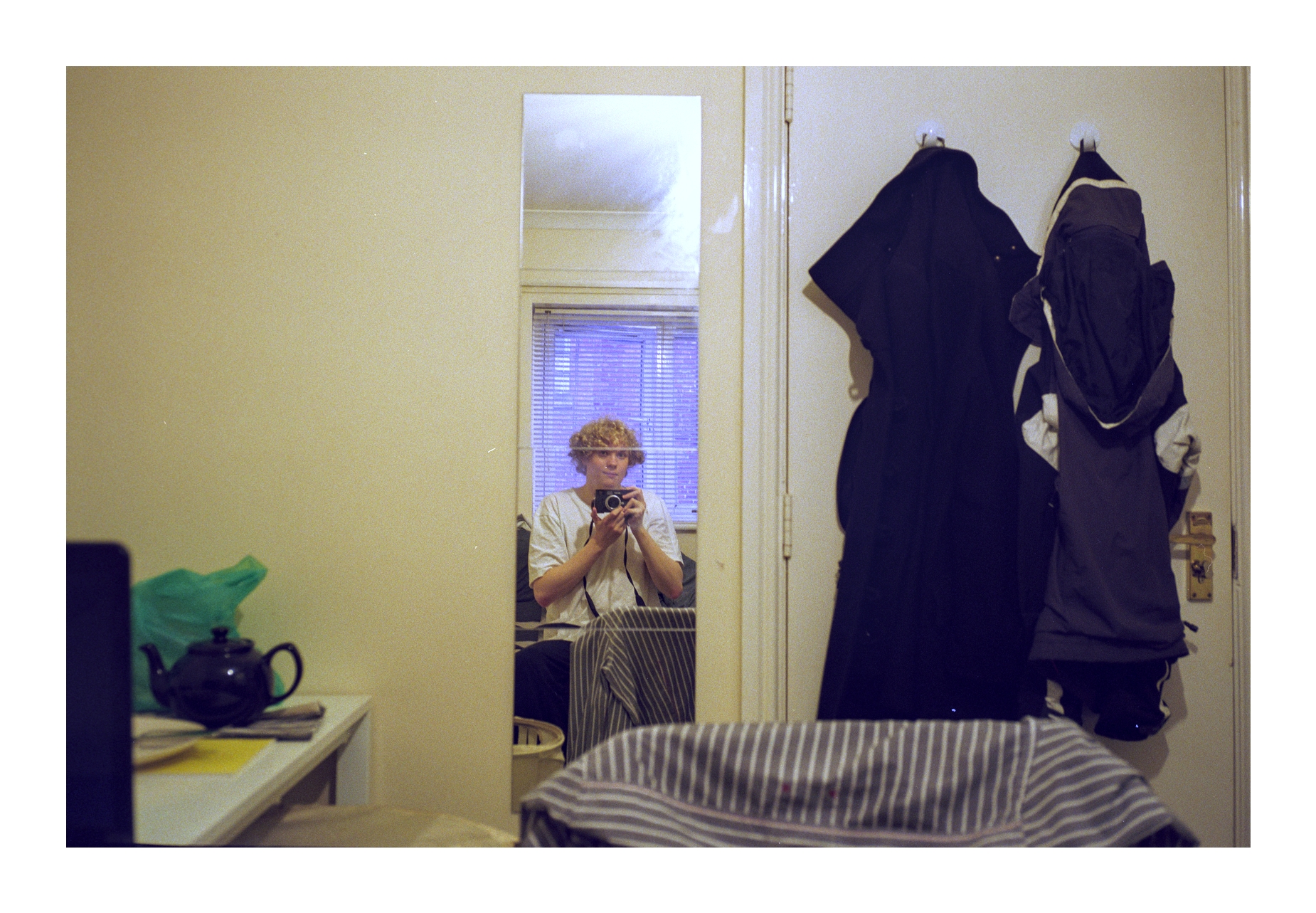
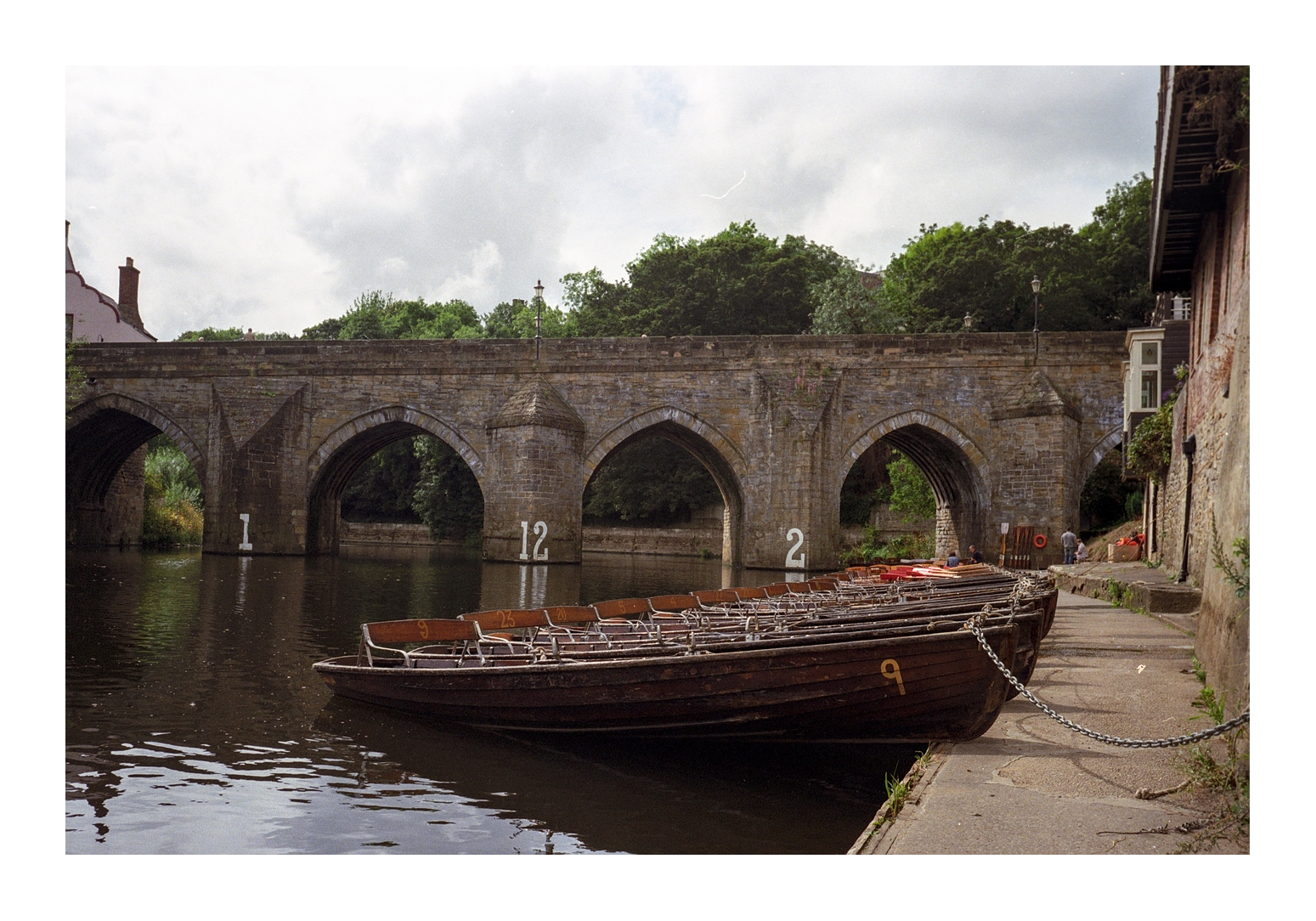
Though I was quite confident with manual shooting, I appreciated having aperture priority again. Less time playing less with the shutter speed dial means you miss fewer opportunities. And with exposure compensation there is often little need to set the shutter speed yourself.
It was an excellent rangefinder, comfortable, solidly built (especially compared to the plastic Bessa), and with a long rangefinder base for accurate focusing. I particularly liked the ratcheted film advance. Using the lever felt good and it was easier to advance film while holding the camera to your eye, requiring less movement.
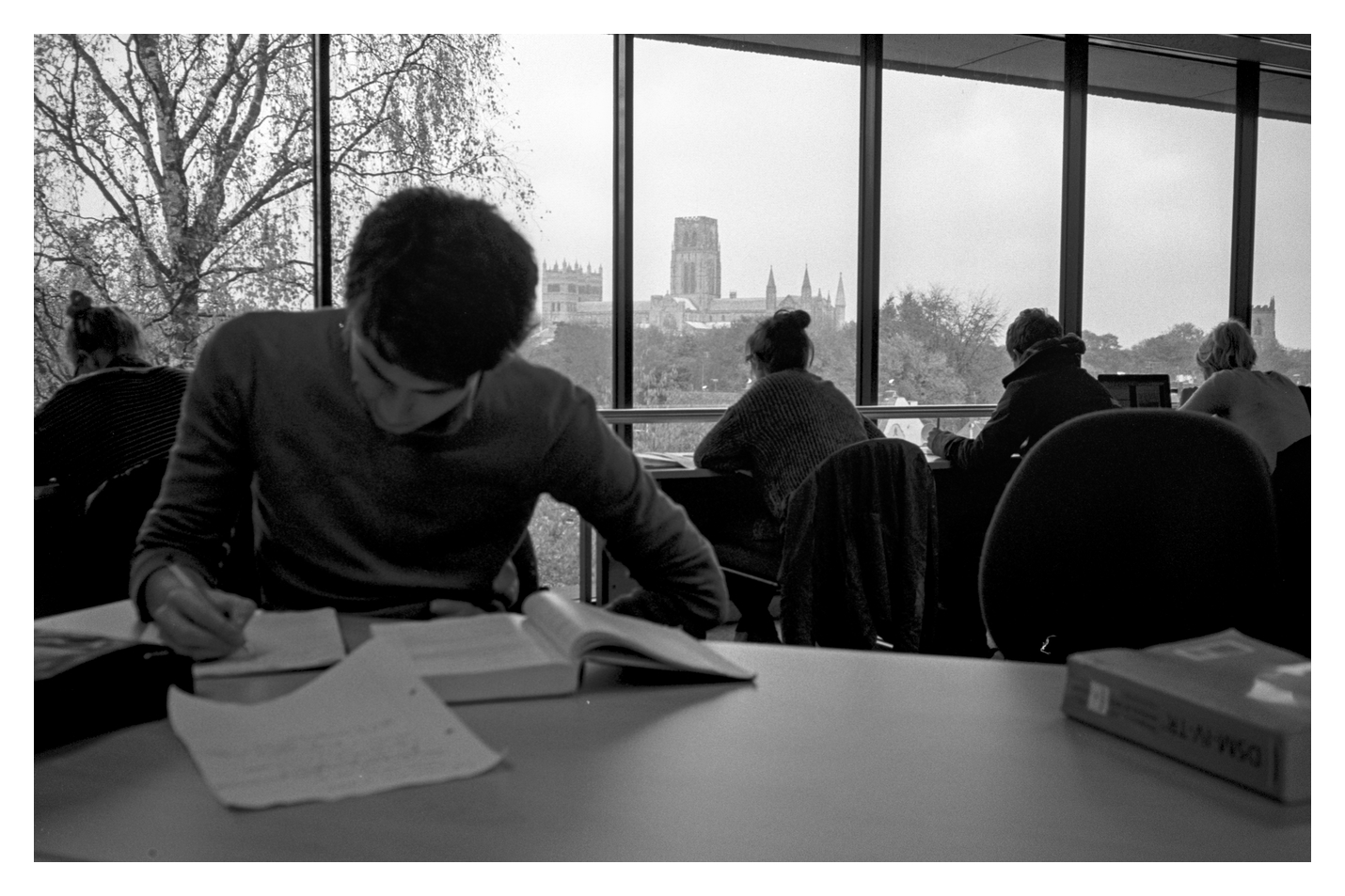
Working with film was becoming a burden. My processing was still all digital, despite shooting film. I sent film away for development and scanned the negatives on a Nikon 9000 ED in a university computer room. It took about a working day to scan one 36 exposure roll.
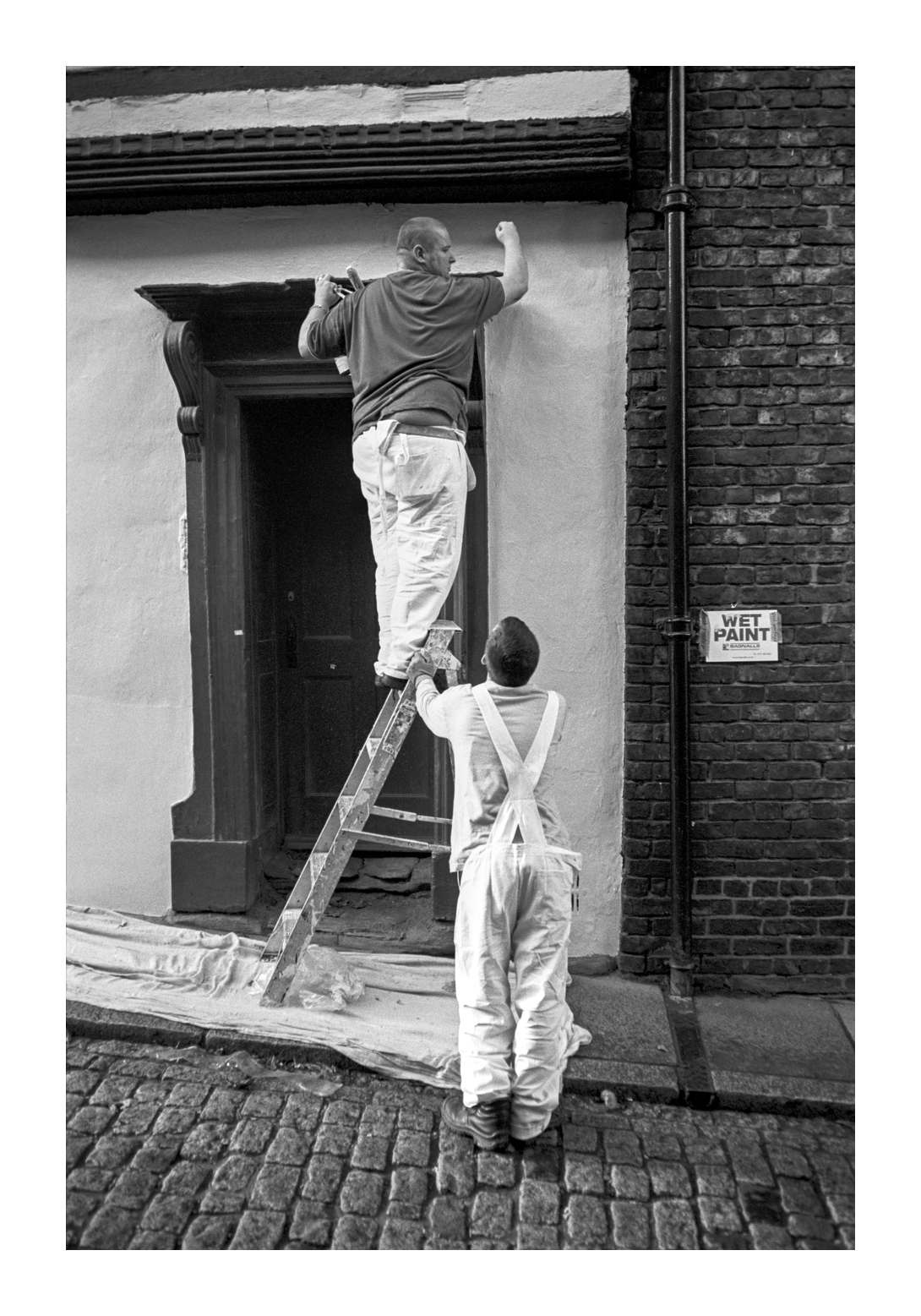
Shortly before my third year exams, my relationship ended. After the reactionary confusion and despair, I fell into blaming myself. A number of years of shame and regret followed until a conversation showed me that other could have sympathy, regardless of blame. I can recognise when I was unsympathetic, cruel, dismissive. However, I don’t feel it is a clear cut as I did before.
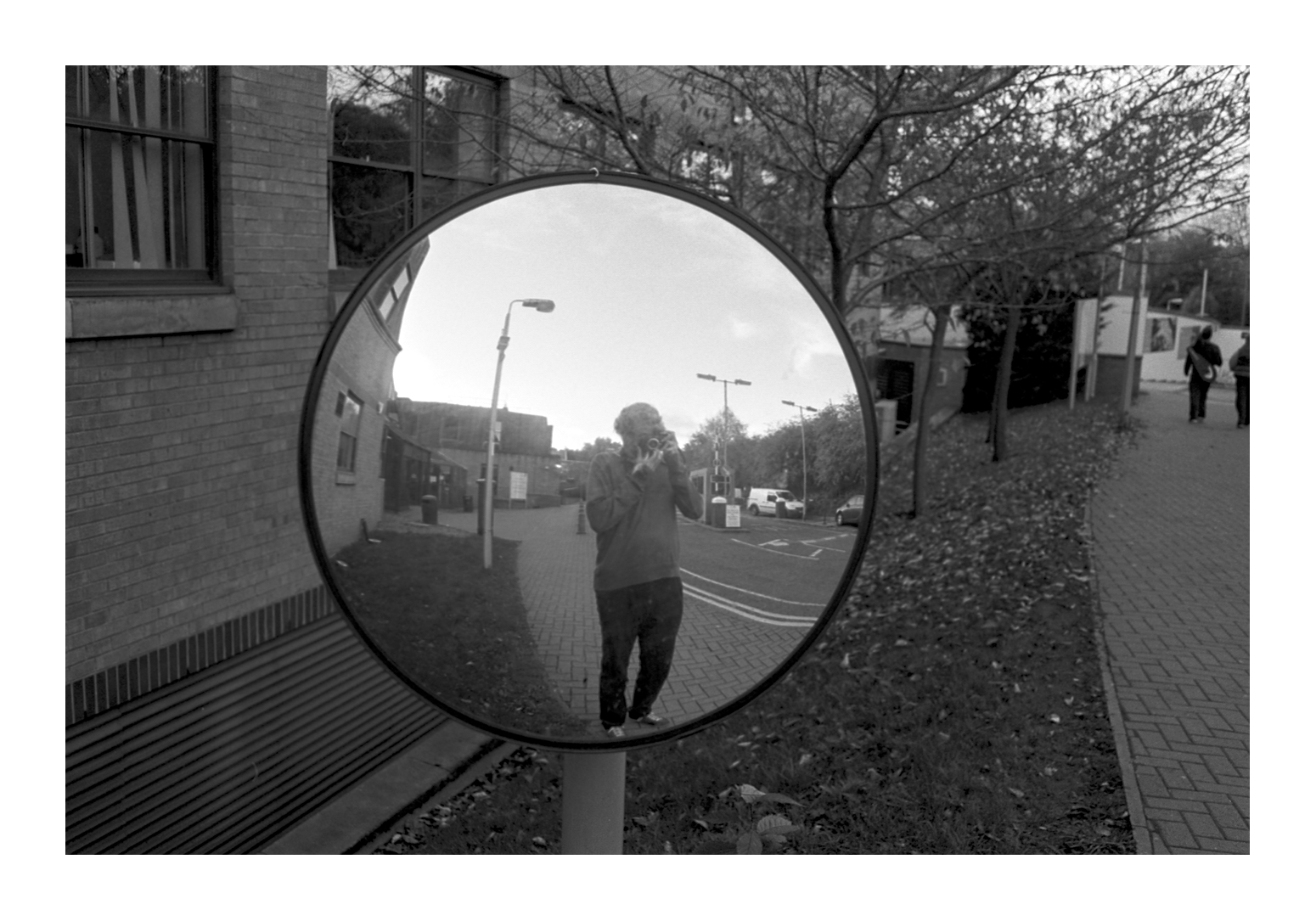
In the summer of 2012 I had a placement at ILL in Grenoble, which resulted in my first publication. New people and an unfamiliar language would have been challenging at the best of times. To add to the difficulties, I was still shaken by the breakup, my mother was in hospital, and my accommodation was Spartan. I brought my camera but I think I only took one photograph, which I never developed.
I spent my time watching The Wire and films I had brought on a hard drive. The internet connection was unbearably slow, but at least there was electricity.
Fujifilm X-Pro1: 2013–2024⌗
I was getting increasingly resentful working with film and was looking for a move back to digital. After a lot of research, and frustration that there was no viable digital rangefinder outside of ridiculously expensive Leicas, I settled on the relatively new Fujifilm X-Pro. I sold my Zeiss and Voigtländer lens and bought the X-Pro1, 35mm f/1.4 R, and 18mm f/2 R.
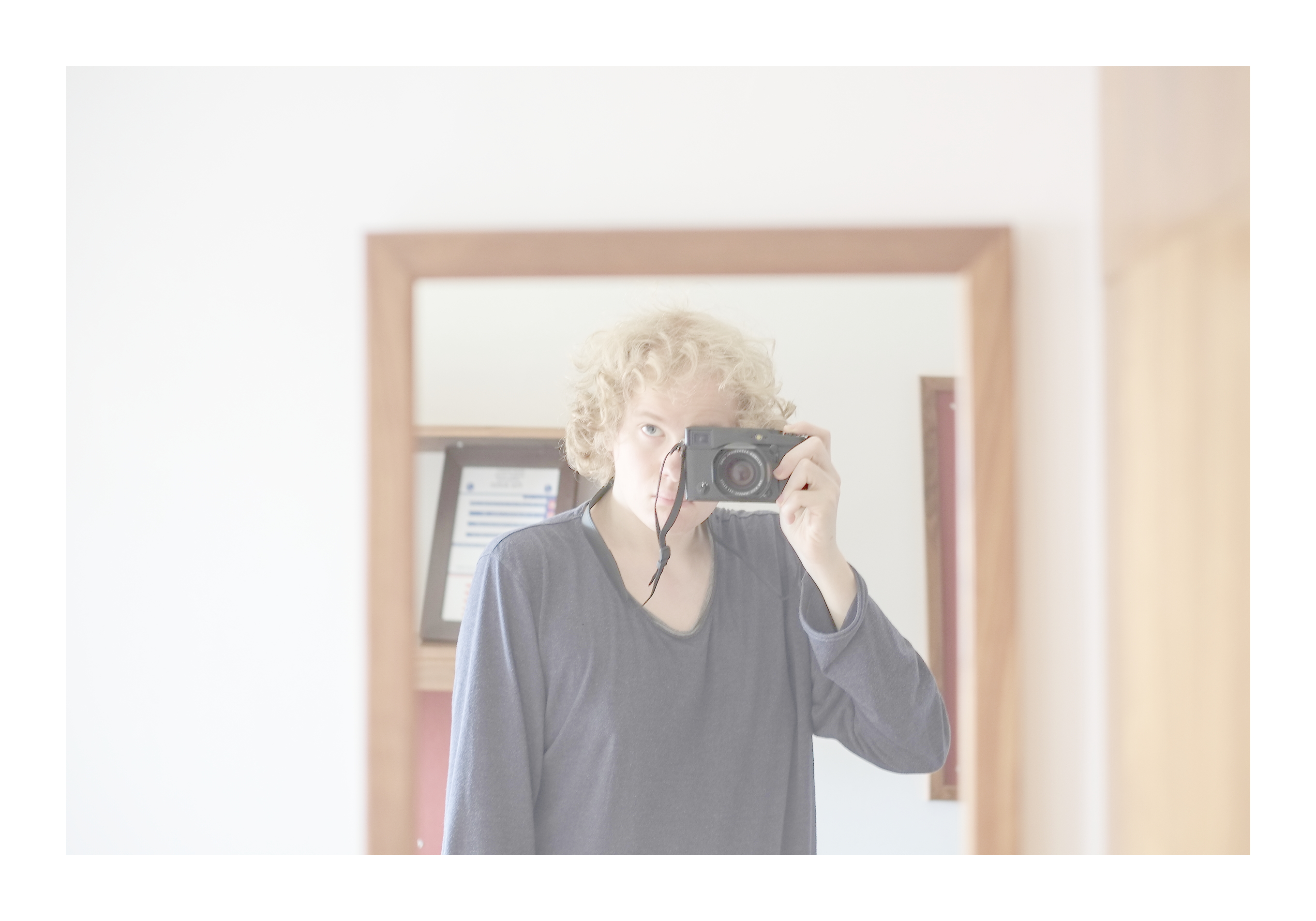
I was nervous but hoped this would be the camera for me. It had Rangefinder-style handling, digital output, quality glass, and a hybrid optical/electronic view finder for flexibility.
However, from the first time I used it I was seriously disappointed. The autofocus performance was terrible, manual focus was not even an option. It was particularly painful after getting so proficient working with the Bessa and Ikon. On top of that, the lens motors were loud. Louder than a DSLR and with none of the accuracy. It more-or-less killed my enjoyment of photography.
Later I found out that firmware updates release shortly after I bought the camera may have made it something I would have loved to shoot with.
Interlude: Two Borrowed Cameras⌗
Now in, what at the time I thought was, my first serious relationship, I had given up photography. I had the chance to borrow two cameras from my partner and her father on holidays. You never forget how to ride a bike and I quickly remembered what I enjoyed about taking pictures.
Nikon D3100: 2016⌗
First was a Nikon D3100 with a AF-S DX 18–55mm f/3.5–5.6G, which belonged to my partner at the time.
Camera technology moves quickly. Compared to my old D200, it had a better sensor and much more accurate autofocus. However, it seemed strange how DSLRs restrict unambiguously good features like two command wheels to the “professional” models. Instead, normal people get a dedicated dial for exposure modes I’m sure no one has ever used.
Leica M8: 2019⌗
Next was a Leica M8. I was quite surprised, especially after hearing people talk about Leicas as if they were crafted by gods. It felt awkward, maybe because it was the first digital Leica.
It was quite slow to operate and a little noisy. The ergonomics were awful. The body was like a brick, not designed for a comfortable of efficient handling. I understand now why Leica users often buy add-on grips.
Not that I ever had the money to buy one, but if I did, it could be X-Pro1 levels of disappointment for a much greater cost.
Just When I Though I Was Out…⌗
Recently, some friends and family have become (more) interested in photography, tempting me. I got to use a Leica M10 (I think). After a few iterations, it feels like Leica have a handle on digital. That is a rangefinder worth having. Still, not worth the price.
Leicas used to be solely for members of the street photography cult. You bought one second hand. No one knew what it was or how much it was worth, they were rare. Not only do I see them fairly often now, they are almost always in the hands of wealthy tourists.
This year, I got to use a friend’s Fujifilm X100 VI. Fujifilm had obviously come a long way too. The focus was fast and accurate. Face/eye detection is surprisingly useful. EVFs are now sharp, responsive and work well in dim light. Still, it retains a lot of the feel I liked from rangefinders: light, fast, quiet.
Fujifilm X-Pro3: 2024–⌗
I started looking at the X100 V and X100 VI. It turns out they are expensive, even second hand, because they are popular with influencers. The ones on those apps I’m not entirely aware of and definitely don’t understand.
I didn’t realise there had been a third iteration of the X-Pro, even though it is now a few years old. A symptom of tuning out from cameras and wanting to forget about the X-Pro1.
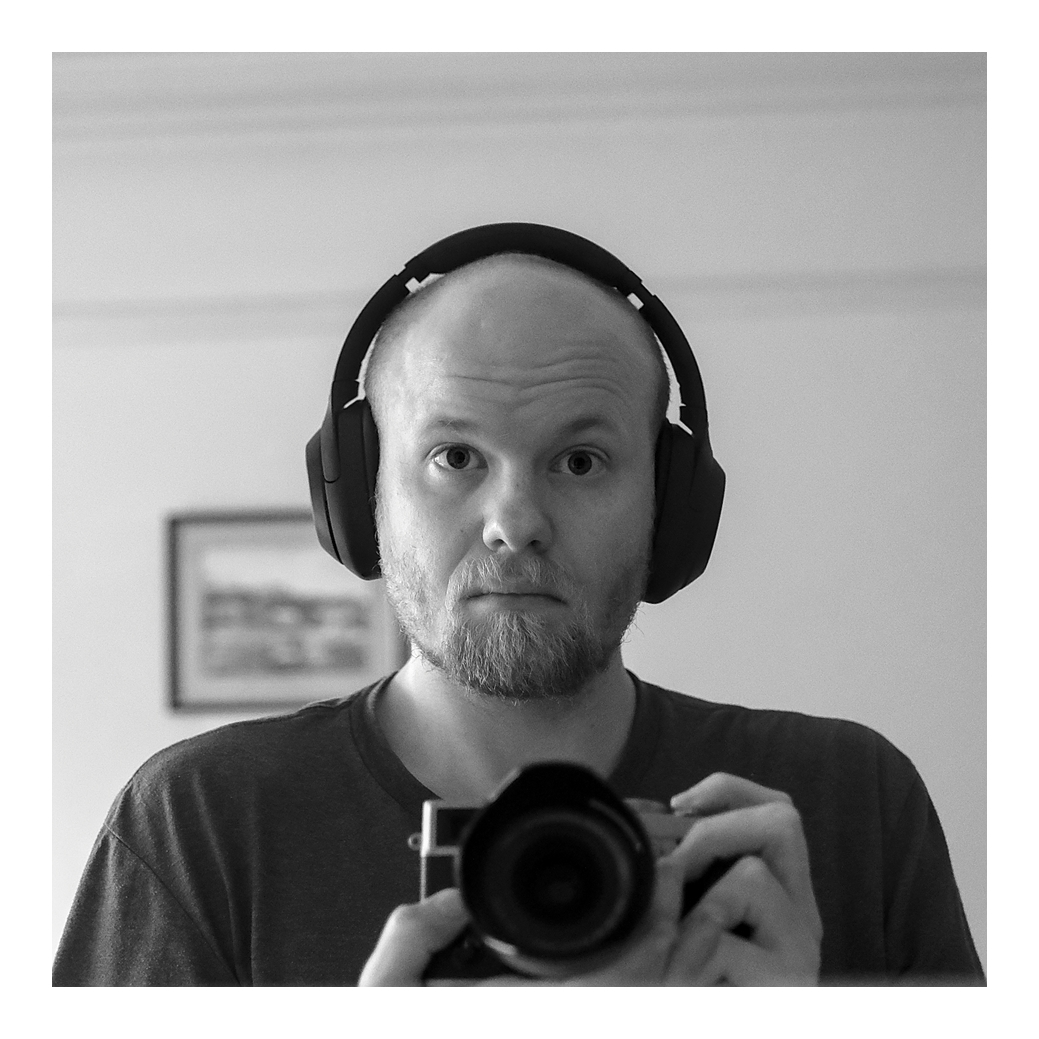
I feel like I’m not one for impulse purchases. However, it really seemed like what I was looking for over a decade ago. The lack of a (permanent) rear screen tells you how it should be used, no chimping. Plus, I still have my old X mount lenses.
I bought a second hand X-Pro3, with the silver dura finish, and an XF 23mm f/1.4 R LM WR.
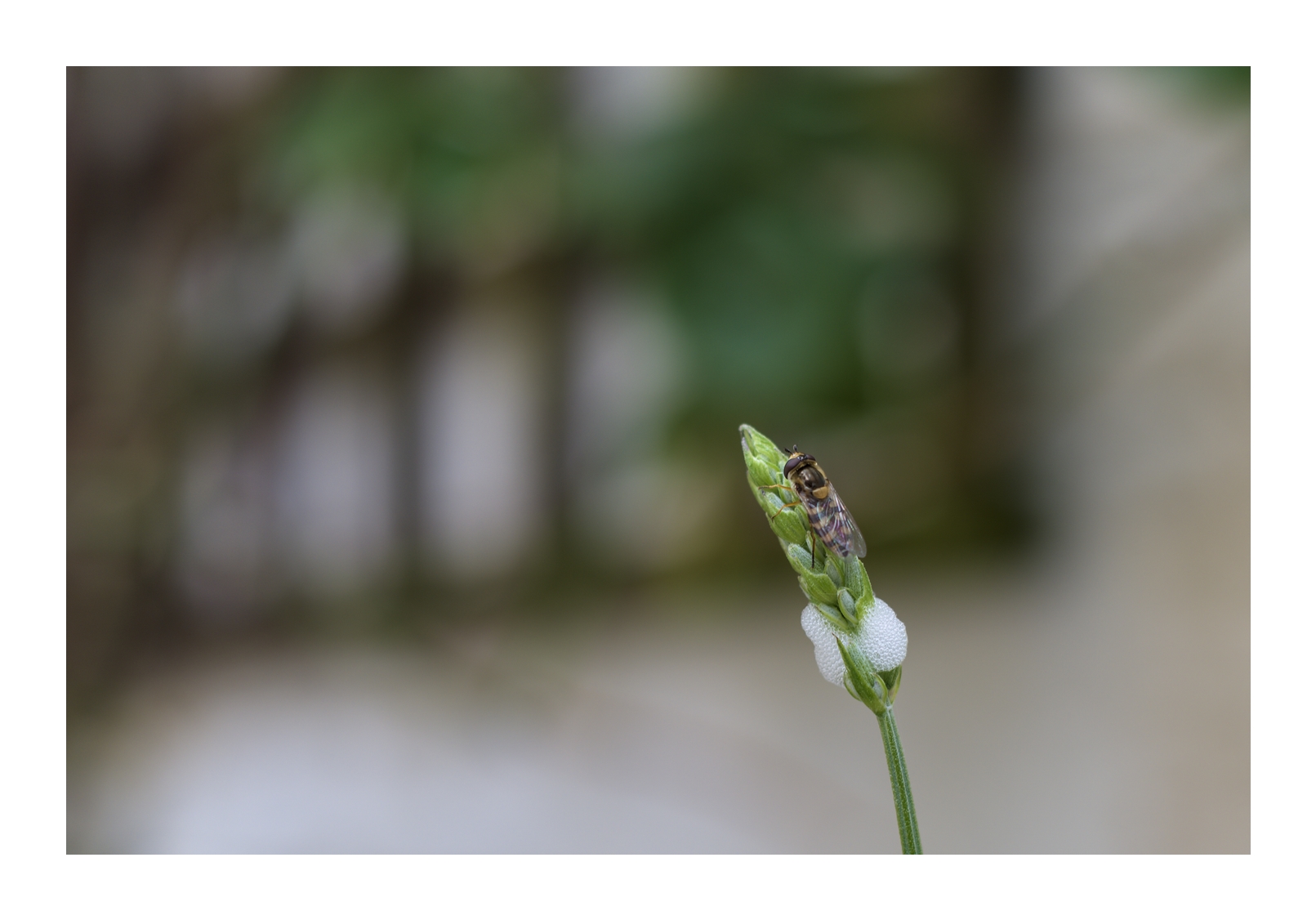
The autofocus is great, even in low light. Comparing it to the X-Pro1 is like night and day. The LM lenses are fast and near silent to focus. It is no surprise the first set of X mount primes all have updated LM versions.
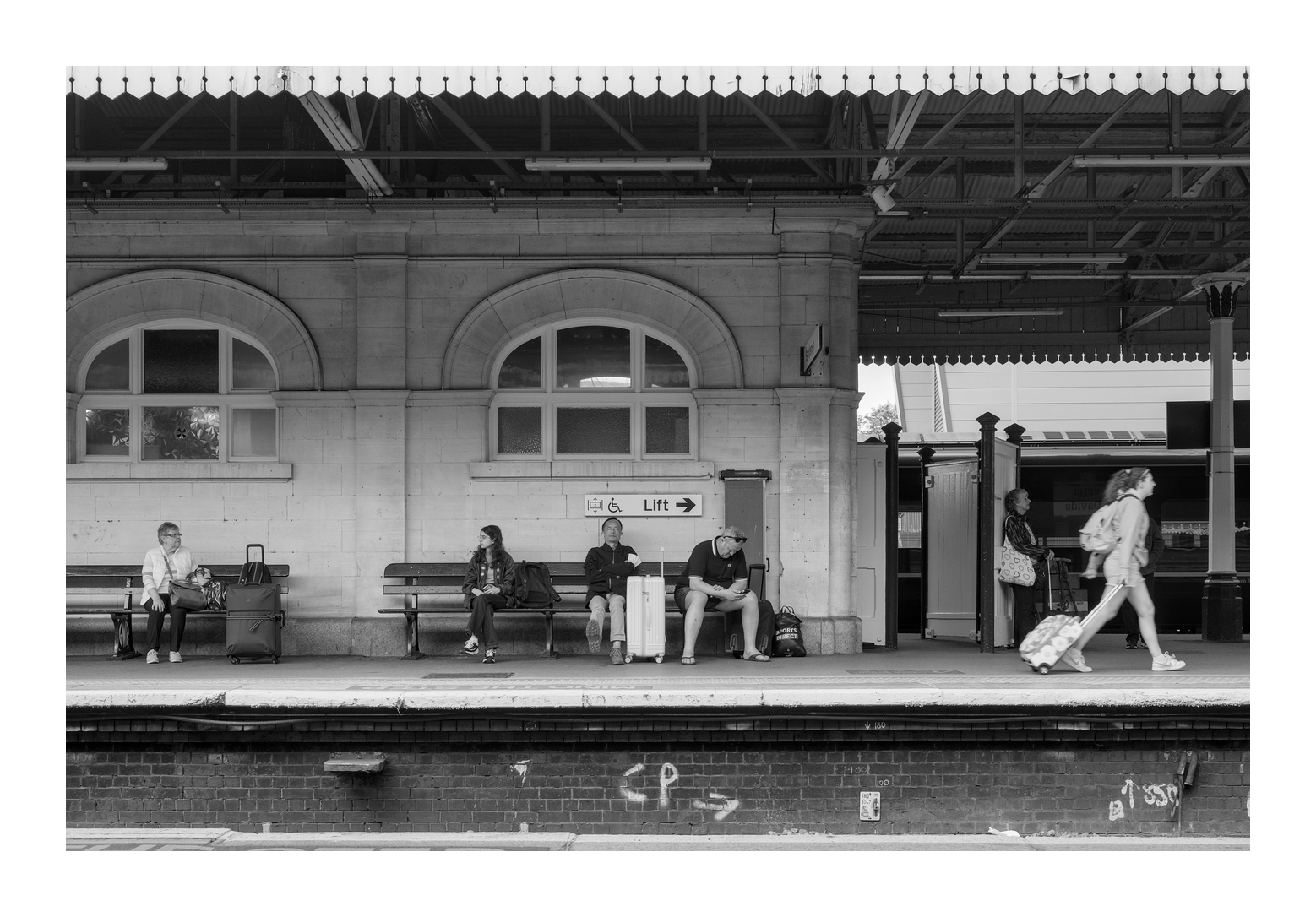
It is a joy to shoot with. I’m hoping I can get back what I loved before.
Addendum: X-Pro1 Firmware⌗
In reading around, I found that the X-Pro1 recieved firmware updates until 2020, continually improving performance. I decided to check mine. It was at version 2.05, which was the latest firmware when I bought it in early July 2013.
I remember reading about firmware updates at the time, and I’m sure I did check it was up to date. However, version 3.*, which further improved autofocus, began releasing around late July 2013. I never updated to a version 3 firmware.
Out of curiosity, I updated by X-Pro1 and lenses to the latest firmware. Autofocus, particularly in low light was massively better. It was much less likely to fail to focus or sweep the extremes of between near and far focus when searching. The focus focus also seemed better. Firmware can’t fix the volume of the lenses, although more accurate focus means the spend less time making noise.
It feels tragic. If I had kept my eye on the firmware back then, I may have loved that camera. I may not have given up on photography for so many years.