Back to Film
Enjoying taking photographs again, I was thinking about when I shot film. I remembered why I stopped, because scanning and developing for slow, costly and frustrating.
I liked the qualities of the different films I used. It is also quite liberating to let your choice of film determine a lot of the colour, contrast, grain. Digital is very flexible, but the amount of choice can be overwhelming.
Film cameras are often simple and tactile; they feel good to use.
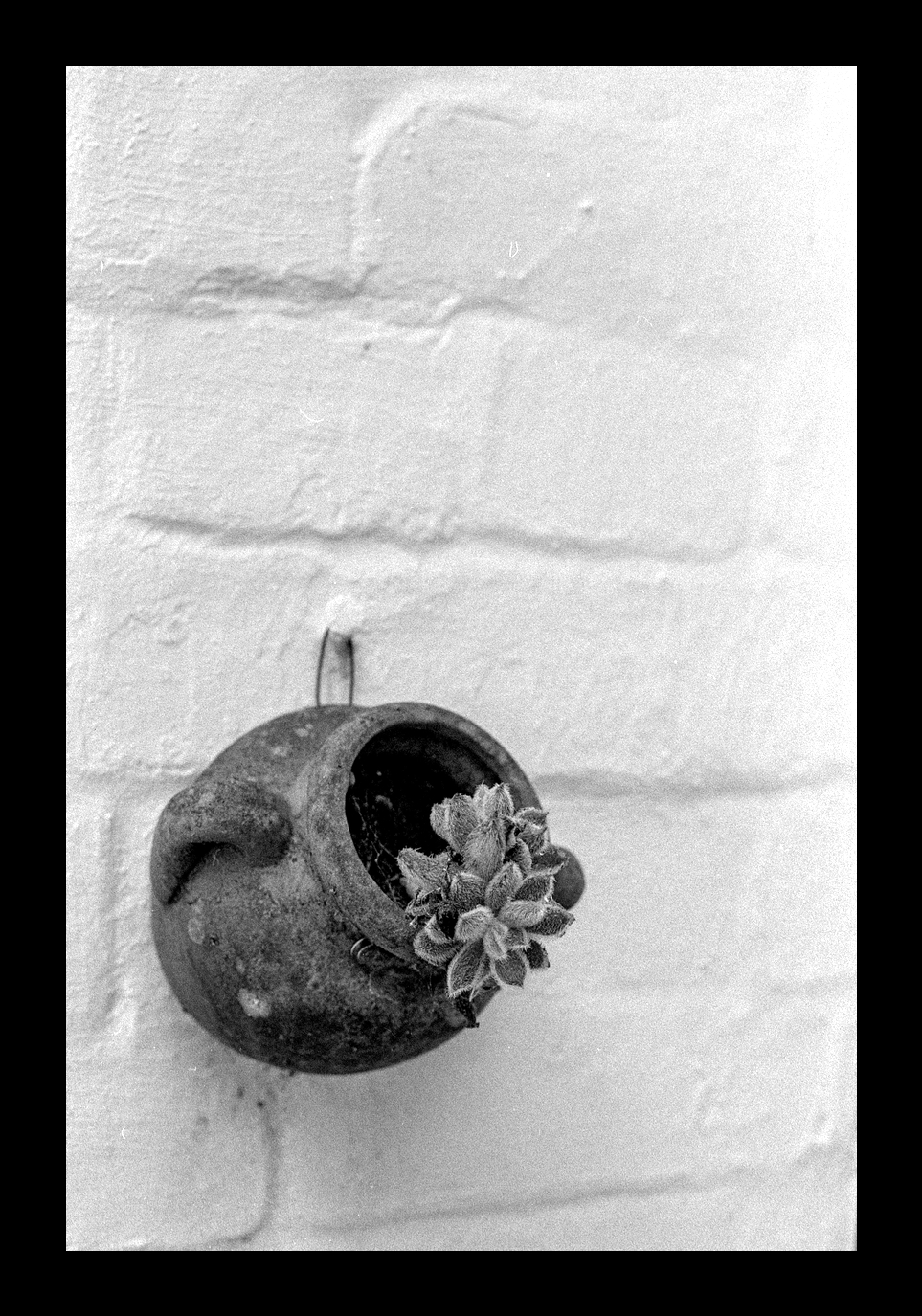
These pictures were taken, developed, and scanned by me using,
- Canon A-1
- Canon FD 50mm f/1.8
- Canon FD 135mm f/3.5
- Ilford HP5+
- Ilford Ilfosol3, Ilfostop, Rapid Fixer, Ilfotol
- Plustek OpticFilm 8100
- Vuescan
- Darktable
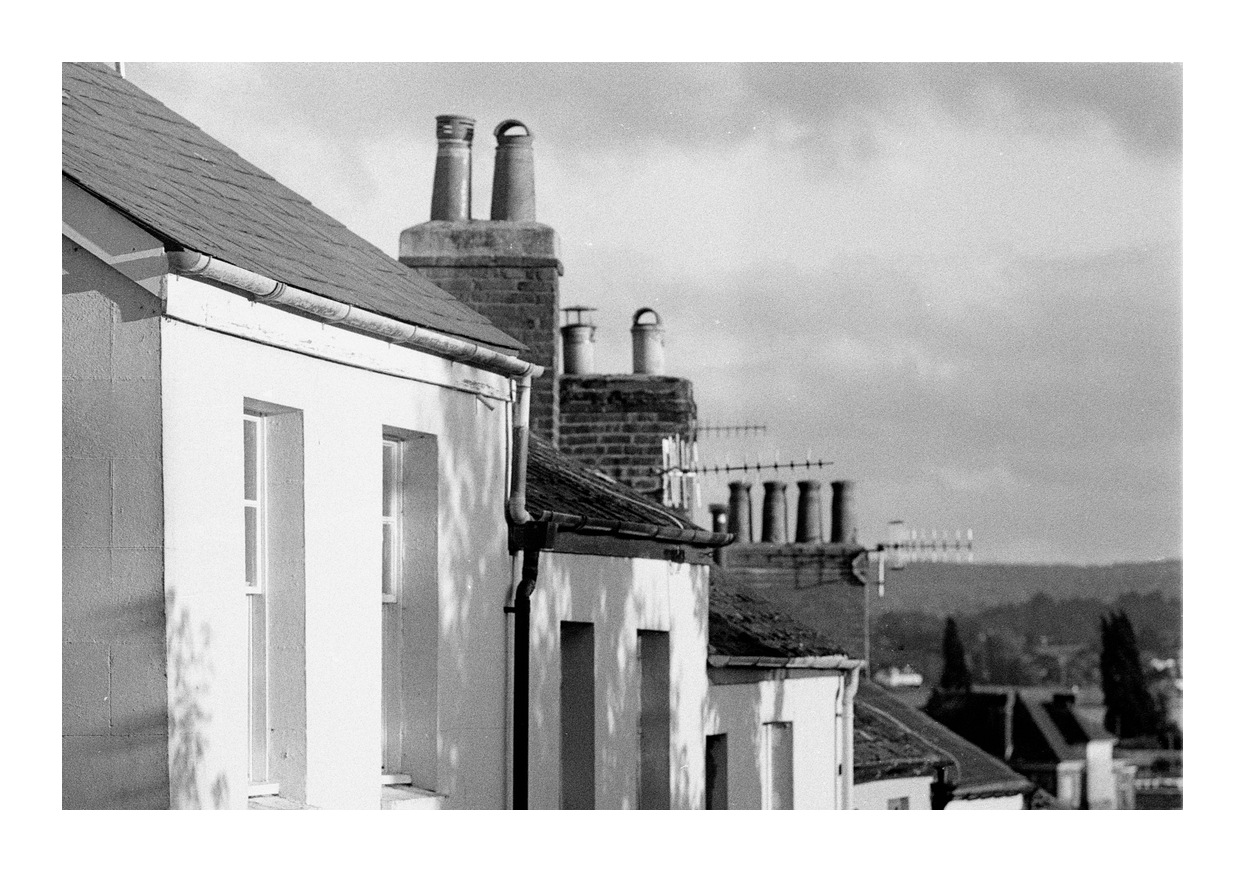
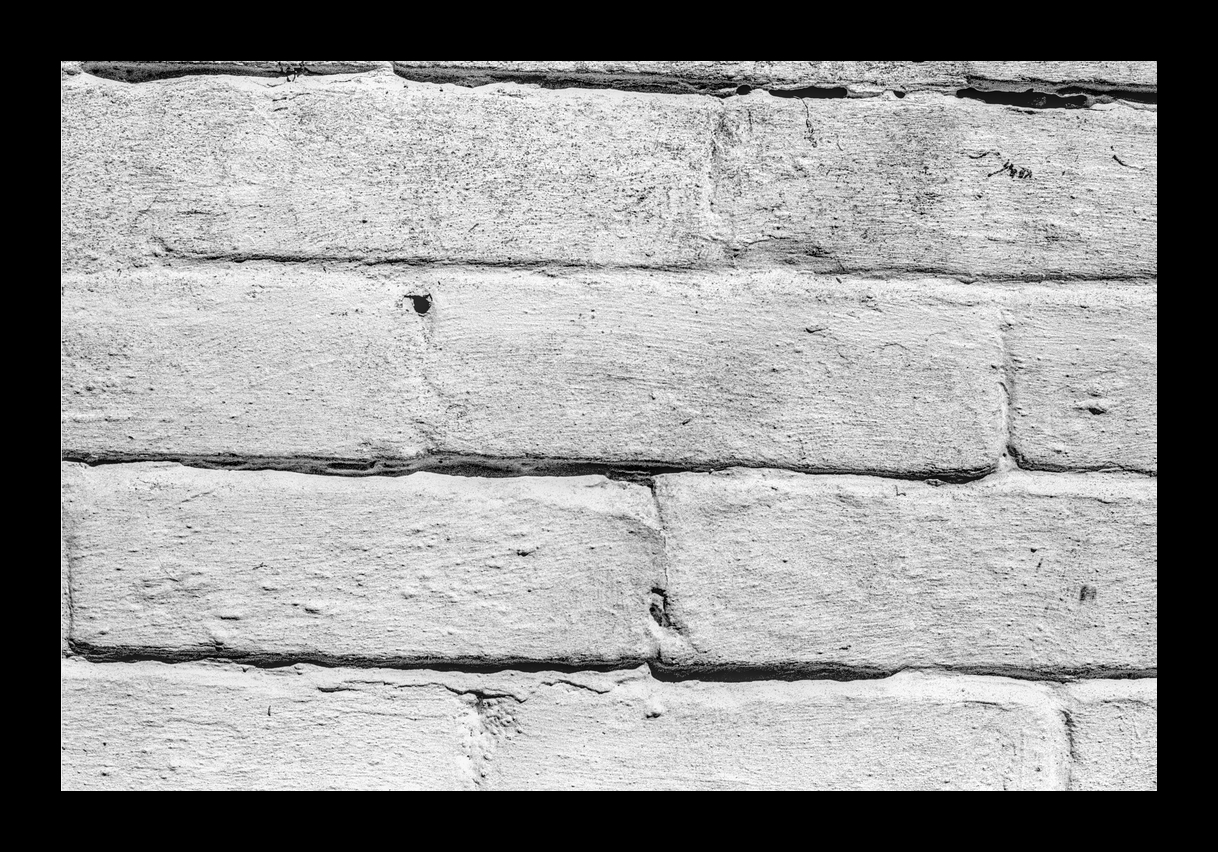
My first frame. Not too bad, the meter works. My scans showed a fair amount of dust, marks and possibly scratches. The Nikon Coolscan 9000 ED I used previously had dust and scratch removal. I’m missing that now, but could probably put more effort into handling the negatives well. That, or I will have to get used to spending a lot of time with the healing brush.
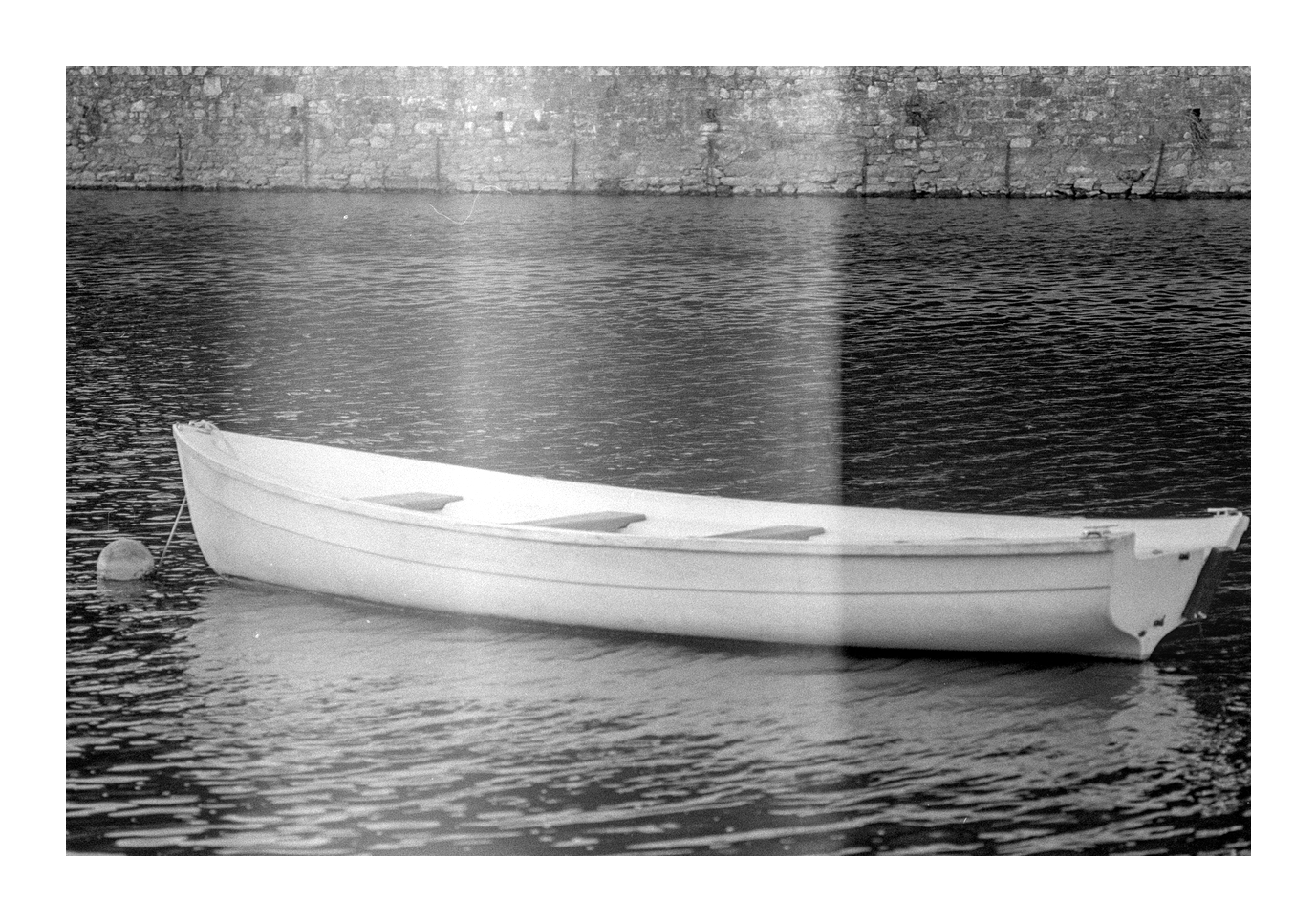
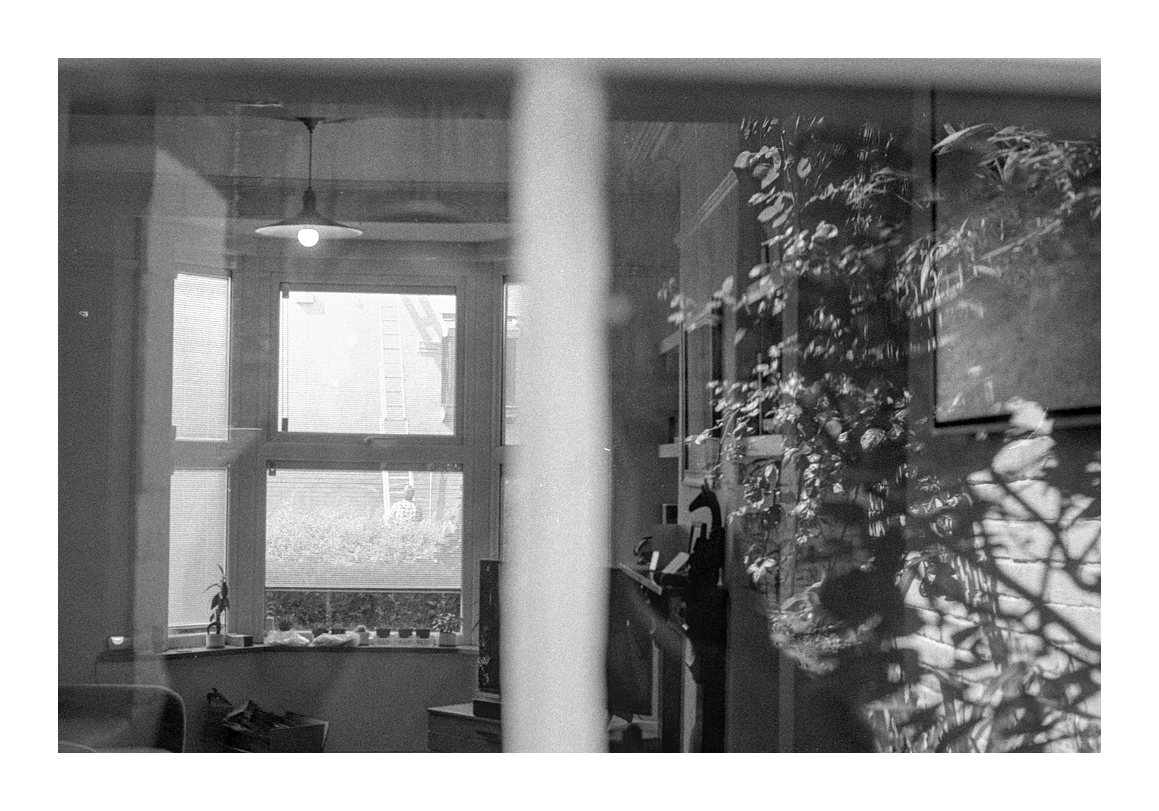
Around four frames had these vertical bands. I’m not certain if that is a developing artefact or some kind of light leak. I should have a better idea when I develop some more rolls.
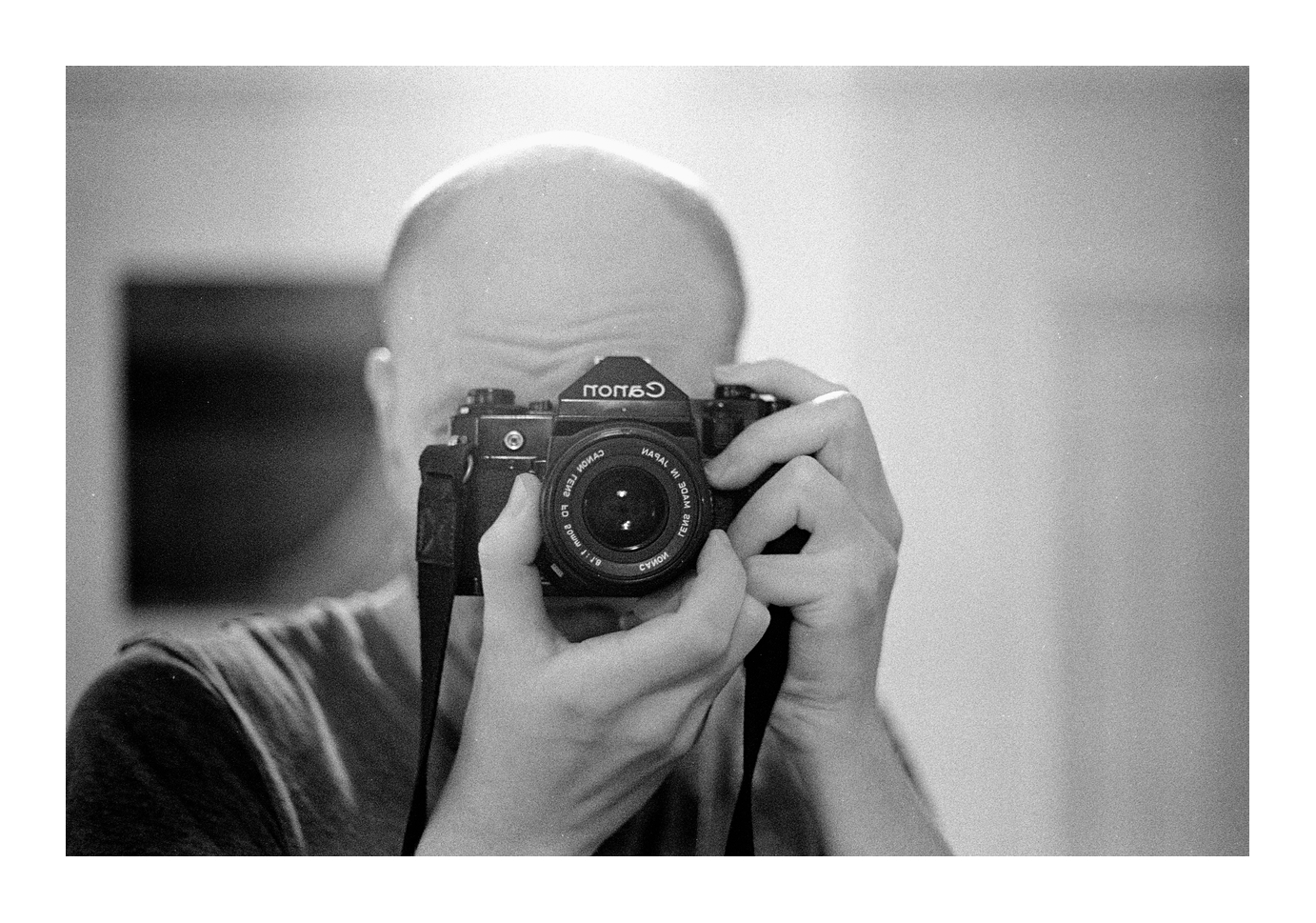
Film photography seems to be in fashion at the moment. The good news is it makes producing films, chemicals and equipment viable. The bad news is the price of second hand equipment has increased.
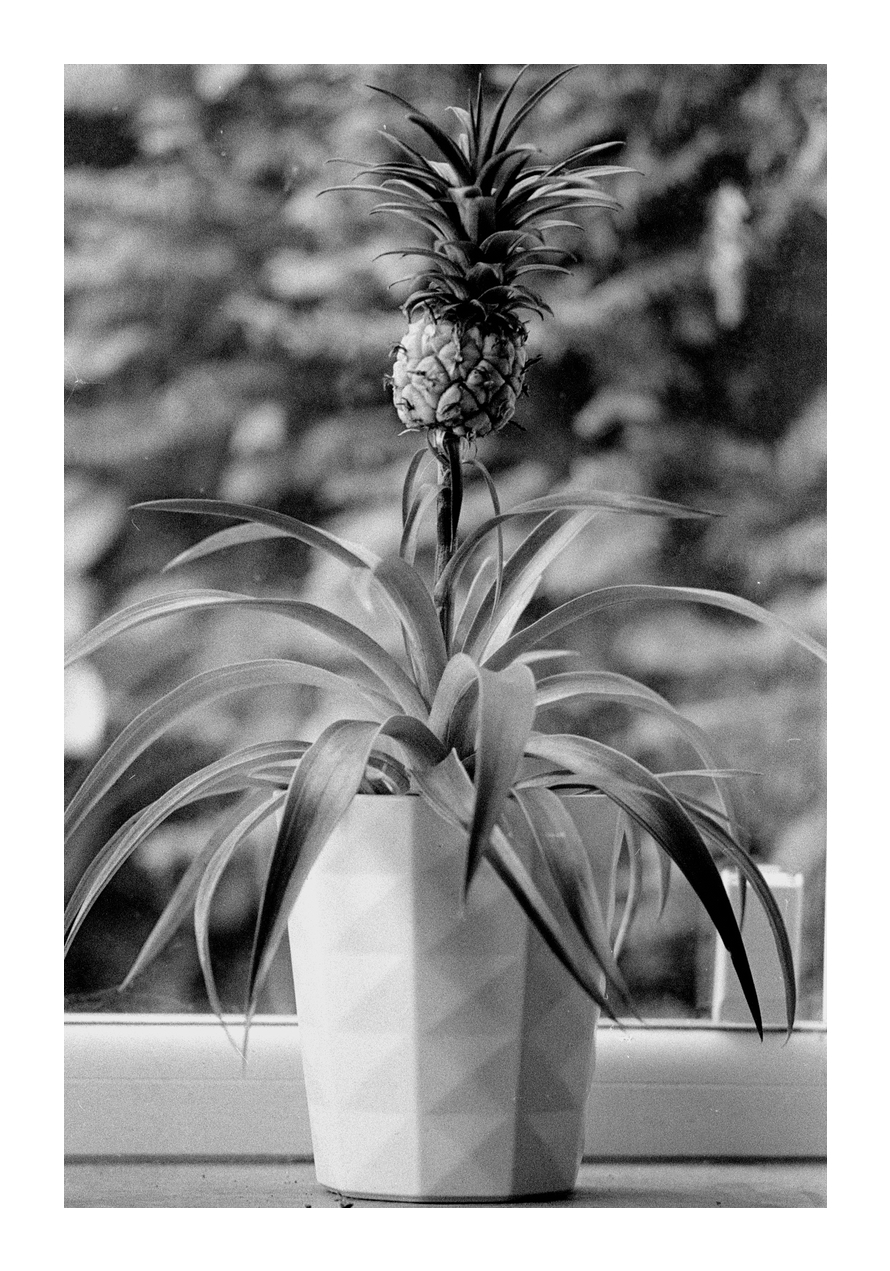
I remember being told B&W film photography, with a cheap manual SLR is a great way to learn. Ignore colour and focus on composition, light and contrast. Learn how to control exposure, focus, depth of field.
Now, that might not be so viable. Film isn’t exactly cheap, although not much more expensive than I remember. Second hand cameras are selling for high prices. Old Nikon SLRs seem to be the most desirable and I saw FM2s going for more than F5s and F100s. That seems like a bad deal. And now Pentax is selling what is essentially an Olympus Trip 35 for £500.
After some research, I decided to look for a Canon A-1 or Minolta OM40. Both are fairly available in good condition but finding a 50mm and 135mm lens for the Canon made the decision for me.
Ilford and Paterson make an excellent film processing starter kit with the equipment and chemicals you need. Developing was fun and not terribly difficult. It looks to be quite economical compared to sending your film to a lab, especially if you can buy in bulk and reuse chemicals when possible.
I regret not trying before. Perhaps I wouldn’t have given up on film if I had learned earlier. That said, although the upfront cost doesn’t seem like much to me now, when I was still an undergraduate it wouldn’t have been something I could afford to do on a whim.
More chemicals are in the post, and I have some HP5+ and Kentmere Pan 400 in the fridge.